

Digital transformation in foodservice distribution is no longer just a trend. It is becoming a necessary part of how distributors, suppliers, restaurants, hotels, cafés, and foodservice operators work together. As customer expectations rise and supply chains become more complex, traditional manual processes are no longer enough to support speed, accuracy, and transparency.
For many years, foodservice distribution depended heavily on phone calls, paper orders, spreadsheets, manual stock checks, and relationship-based selling. While these methods still play a role, they often create delays, errors, and limited visibility. A restaurant may not know whether an item is available until after placing an order. A distributor may struggle to predict demand accurately. A sales team may spend too much time collecting orders manually instead of helping customers grow their business.
Today, digital tools are changing that. Online ordering platforms, real-time inventory systems, mobile apps, warehouse management software, route optimization, customer portals, analytics dashboards, and integrated payment systems are helping foodservice distributors operate more efficiently. The National Restaurant Association has also reported that restaurant operators increasingly see technology as a competitive advantage, especially when it improves speed, convenience, and operational efficiency.
Digital transformation in foodservice distribution is not only about replacing old systems with new software. It is about building a better way to manage orders, inventory, delivery, communication, and customer relationships. When done correctly, it helps distributors reduce mistakes, save time, improve customer satisfaction, and make better decisions from data. Apps like Distributal can support this shift by helping foodservice businesses manage digital ordering, product visibility, customer communication, and distribution workflows in a more organized way.
What Digital Transformation Means in Foodservice Distribution
Digital transformation in foodservice distribution means using technology to improve the way food products move from suppliers and distributors to restaurants and other foodservice customers. It covers every part of the distribution process, including ordering, stock management, warehouse operations, delivery planning, customer service, sales, payment, reporting, and communication.
In a traditional distribution model, many tasks are handled manually. A restaurant might call a sales representative to place an order. The sales representative may write the order down, send it to the office, and wait for stock confirmation. The warehouse team may then check availability, prepare the order, and coordinate delivery. If an item is unavailable, the customer may only find out later. This process can work, but it is slow and often depends on many people doing repetitive tasks correctly.
With digital transformation, much of this process becomes faster and more visible. Customers can browse products online, check availability, place orders through an app or portal, and receive updates. Distributors can monitor stock levels, process orders automatically, track deliveries, and analyze customer behavior. Sales teams can focus more on relationship building and less on manual order taking.
This does not mean technology replaces people. In foodservice distribution, relationships still matter. Restaurants often depend on trusted suppliers who understand their business, menu, budget, and delivery needs. Digital transformation helps these relationships become stronger by removing unnecessary friction. Instead of spending time fixing order mistakes, teams can spend more time solving real business problems.
Why Foodservice Distribution Needs Digital Transformation
Foodservice distribution is a fast-moving industry. Restaurants and foodservice operators need products delivered on time, in the right quantity, at the right quality, and at the right price. If ingredients arrive late or orders are incorrect, it can affect menu availability, customer experience, and revenue. This makes efficiency and accuracy extremely important.
The industry has also changed because customers now expect digital convenience in many areas of their lives. Restaurant operators use mobile banking, online marketplaces, delivery apps, accounting software, and digital communication tools. It is natural for them to expect the same level of convenience from their distributors. According to the National Restaurant Association’s 2024 restaurant technology research, many operators see technology as a way to improve customer experience, marketing, and operational efficiency.
Another reason digital transformation is important is cost pressure. Food costs, labor costs, transportation costs, and storage costs can all affect distributor margins. Manual processes make it harder to control these costs because managers may not have real-time visibility into stock movement, delivery performance, customer demand, or sales trends. Digital systems make it easier to see what is happening and respond faster.
Digital transformation also supports scalability. A distributor that manages 50 customers manually may be able to survive with spreadsheets and phone calls. But as the business grows to hundreds or thousands of customers, manual systems become difficult to manage. Technology allows distributors to handle more orders, more products, more customers, and more delivery routes without increasing operational complexity at the same rate.
Key Technologies Changing Foodservice Distribution
Several technologies are driving digital transformation in foodservice distribution. These tools work best when they are connected, because distribution depends on many moving parts. Ordering, inventory, warehouse operations, delivery, sales, and customer service all need to share accurate information.
The most important technologies include:
- Online ordering platforms: Allow restaurants and foodservice customers to browse products, check pricing, and place orders anytime.
- Mobile apps: Help sales teams, drivers, warehouse staff, and customers access important information on the go.
- Inventory management systems: Track stock levels, expiration dates, product movement, and replenishment needs.
- Warehouse management systems: Improve picking, packing, receiving, storage, and stock accuracy.
- Route optimization tools: Help delivery teams plan faster and more efficient routes.
- Customer relationship management systems: Help distributors manage customer history, preferences, communication, and sales opportunities.
- Analytics dashboards: Turn sales, inventory, delivery, and customer data into useful business insights.
- Integrated payment systems: Make invoicing, billing, and payment collection faster and more organized.
For example, a platform like Distributal can be part of this digital ecosystem by helping distributors and foodservice customers interact more easily through digital ordering, product information, and workflow management. Instead of relying only on phone calls or manual messages, businesses can use a centralized system that makes ordering and communication more consistent.
The goal is not to use technology for the sake of technology. The goal is to remove bottlenecks. If a system helps customers order faster, reduces stock errors, improves delivery planning, or gives managers better data, then it creates real business value.
How Digital Ordering Improves Customer Experience

Digital ordering is one of the clearest examples of digital transformation in foodservice distribution. It gives customers more control, more visibility, and more convenience. Instead of waiting for a sales representative or calling during office hours, a restaurant can place an order whenever it is convenient.
This is especially useful for busy restaurant owners and chefs. Many foodservice customers work long hours and may only have time to check inventory after closing or before service begins. A digital ordering system allows them to review products, compare options, confirm quantities, and place orders without interrupting their daily operations.
Digital ordering also reduces communication errors. When orders are placed by phone or chat, mistakes can happen. Product names may sound similar. Quantities may be misunderstood. Special instructions may be missed. With digital ordering, customers can select exact products and quantities from a catalog, which makes the process clearer for both sides.
A better ordering experience can also increase customer loyalty. If customers find it easy to order from a distributor, they are more likely to continue using that distributor. They may also order more frequently because the process is simple. For distributors, this means digital ordering is not only an operational tool but also a customer retention strategy.
Apps like Distributal can help support this experience by creating a more organized digital connection between distributors and customers. When product information, ordering, and communication are easier to manage, both sides benefit.
Inventory Visibility and Demand Forecasting
Inventory is one of the most important parts of foodservice distribution. Distributors need to keep enough stock to serve customers, but they also need to avoid overstocking products that may expire or lose quality. This balance is difficult when inventory data is not accurate or updated in real time.
Digital transformation helps by improving inventory visibility. When stock levels are tracked digitally, teams can see what is available, what is running low, what is moving quickly, and what may become waste. This helps purchasing teams make better decisions and helps sales teams avoid promising products that are not available.
Demand forecasting is another major benefit. By analyzing order history, seasonal trends, customer behavior, and product movement, distributors can predict future demand more accurately. For example, certain products may sell more before holidays, during tourist seasons, or when specific menu trends become popular. Without data, these patterns may be hard to see.
Better forecasting helps reduce waste and improve service levels. If a distributor knows that a customer usually orders more seafood before weekends or more bakery items before holidays, the system can help prepare stock in advance. This creates a smoother supply chain and helps customers trust the distributor more.
Digital tools also help identify slow-moving products. Instead of discovering too late that products are sitting in the warehouse, managers can act earlier by adjusting purchasing, offering promotions, or recommending alternatives to customers.
Delivery, Logistics, and Route Optimization
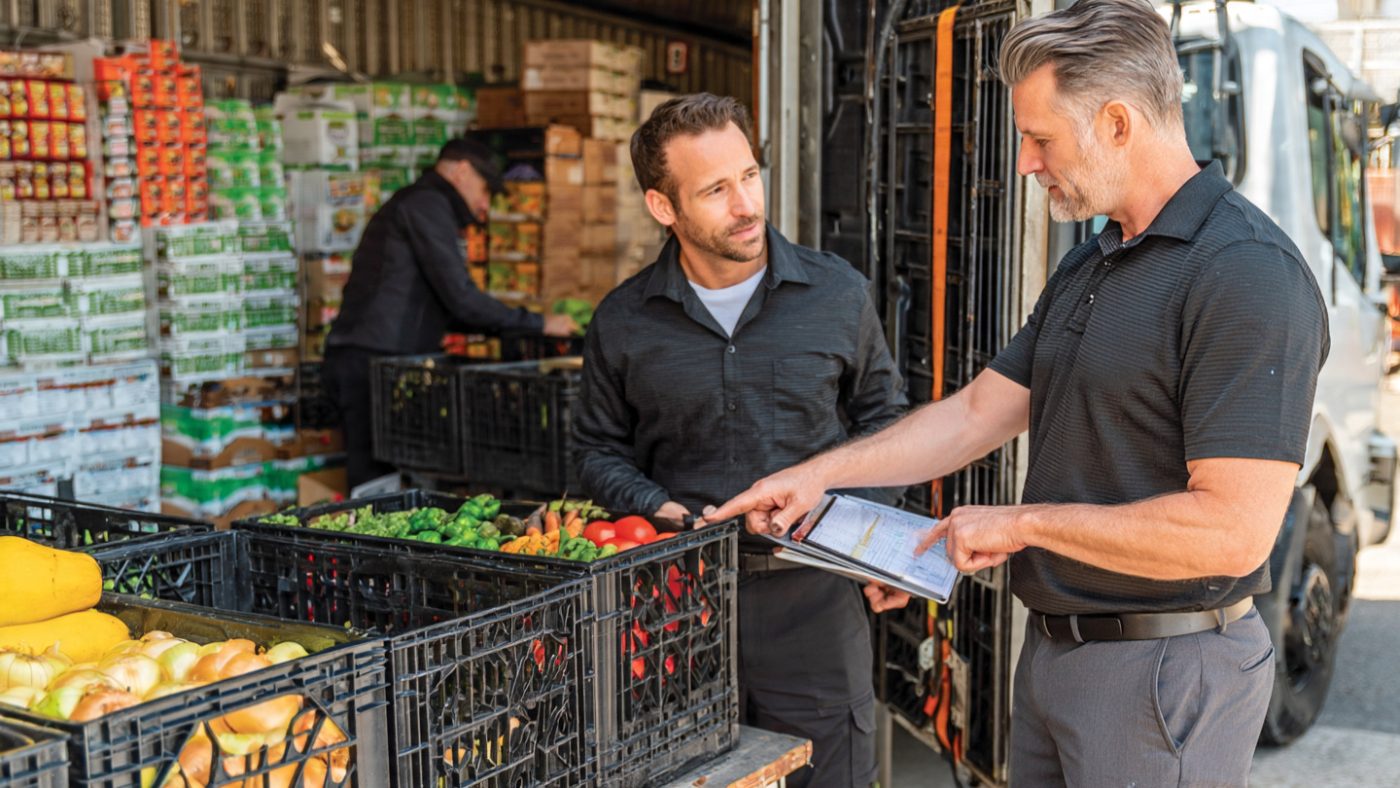
Delivery performance is a major part of customer satisfaction in foodservice distribution. Restaurants depend on timely deliveries because ingredients are needed for daily operations. A late delivery can affect preparation time, menu availability, and customer service.
Digital logistics tools help distributors plan routes more efficiently. Instead of relying only on driver experience or manual planning, route optimization software can consider location, delivery windows, traffic patterns, vehicle capacity, and order priority. This helps reduce travel time, fuel costs, and delivery delays.
Real-time delivery tracking also improves communication. Customers want to know when their orders will arrive. If they can receive updates or estimated delivery times, they can plan their operations more effectively. This reduces the number of phone calls asking about delivery status and gives customer service teams more time to handle important issues.
For distributors, delivery data is also valuable. Managers can review which routes are efficient, which customers frequently experience delays, and where logistics costs are increasing. Over time, this data can support better planning and better resource allocation.
Digital transformation in logistics does not remove the importance of drivers. Drivers are still a key part of the customer relationship because they often interact directly with restaurants. Technology helps them work more effectively by giving them clearer routes, delivery instructions, proof-of-delivery tools, and real-time updates.
Benefits of Digital Transformation in Foodservice Distribution
Digital transformation in foodservice distribution creates value across the business. It improves internal operations while also making life easier for customers. The most successful distributors usually focus on practical benefits instead of chasing technology trends.
Key benefits include:
- Fewer order errors: Digital ordering reduces misunderstandings from phone calls, handwritten notes, and manual data entry.
- Faster order processing: Orders can move from customer request to warehouse preparation more quickly.
- Better inventory control: Real-time stock visibility helps reduce shortages, overstocking, and waste.
- Improved customer experience: Customers can order more easily, access product information, and receive better updates.
- More efficient deliveries: Route optimization and delivery tracking help reduce delays and logistics costs.
- Stronger sales performance: Sales teams can use customer data to recommend better products and identify opportunities.
- Better business decisions: Dashboards and reports help managers understand sales trends, margins, demand, and performance.
- Scalability: Digital systems make it easier to serve more customers without adding too much manual work.
These benefits are especially important because foodservice distribution often operates with tight margins and high expectations. Small improvements in order accuracy, stock control, delivery efficiency, or customer retention can have a meaningful impact over time.
However, the benefits depend on how well the technology is implemented. A complicated system that staff and customers do not use will not create value. The best digital transformation projects are designed around real workflows, real customer needs, and clear business goals.
Common Challenges When Going Digital
Even though digital transformation has many benefits, it can also be challenging. Foodservice distribution businesses often have long-standing ways of working, and changing those processes takes time. Some staff may be comfortable with manual methods. Some customers may prefer calling their sales representative. Some systems may not connect easily with each other.
One common challenge is resistance to change. People may worry that new technology will make their jobs harder or replace their role. This is why communication is important. Leaders should explain that technology is meant to reduce repetitive work, improve accuracy, and support better customer service.
Another challenge is data quality. Digital systems depend on accurate product information, customer records, pricing, stock levels, and order history. If the data is outdated or incomplete, the system may create confusion. Before launching new technology, distributors should clean and organize their data carefully.
Integration can also be difficult. A distributor may already use accounting software, warehouse systems, sales tools, and delivery systems. If these systems do not connect, teams may still need to enter the same information multiple times. This reduces the value of digital transformation. Choosing tools that can integrate with existing workflows is important.
Customer adoption is another key issue. If customers do not understand how to use the platform, they may continue ordering manually. Distributors should provide simple onboarding, training, and support. The user experience must be easy enough for busy restaurant teams to use without stress.
How Foodservice Distributors Can Start Their Digital Transformation
Foodservice distributors do not need to transform everything at once. In fact, trying to change too much too quickly can create confusion. A better approach is to start with the areas that create the biggest pain or the clearest business value.
For many distributors, digital ordering is a good starting point because it directly improves customer experience and reduces manual order work. Once ordering becomes more organized, the business can improve inventory visibility, delivery tracking, reporting, and customer management.
The first step is to understand current problems. Where do errors happen most often? Which tasks take too much time? Which customer complaints repeat frequently? Which processes depend too heavily on one person? These questions help identify where technology can make the biggest difference.
The next step is to choose tools that match the business size, customer base, and operational needs. A small distributor may not need a complex enterprise system at the beginning. A simple, user-friendly platform may deliver more value if it solves real problems quickly. For example, Distributal can be positioned as a practical tool for distributors that want to make ordering and customer communication more digital without making the process too complicated.
Training is also important. Staff should understand not only how to use the system, but why the system matters. Customers should also receive clear guidance, especially if they are used to placing orders manually. Over time, the distributor can improve the process based on feedback.
The Future of Digital Transformation in Foodservice Distribution
The future of digital transformation in foodservice distribution will likely be more connected, more data-driven, and more customer-focused. Distributors will not only deliver products; they will also deliver better visibility, better planning, and better service.
Artificial intelligence may play a larger role in demand forecasting, product recommendations, route planning, and customer support. For example, systems may automatically suggest products based on a restaurant’s previous orders, menu type, season, or stock availability. AI may also help identify customers at risk of leaving or predict which products may run out soon.
Automation will also continue to grow. Warehouses may use more scanning tools, automated picking systems, and connected inventory workflows. Delivery teams may use better route planning and proof-of-delivery systems. Sales teams may use customer data to personalize recommendations instead of relying only on memory or manual notes.
At the same time, human relationships will remain important. Foodservice is a relationship-driven industry. Restaurants trust distributors who understand their needs and respond quickly when problems happen. Digital transformation should support that relationship, not replace it.
The most successful distributors will be the ones that combine technology with strong service. They will use data to make better decisions, digital platforms to improve convenience, and experienced teams to maintain trust. As technology becomes more common across restaurants and supply chains, digital transformation in foodservice distribution will become less of an advantage and more of a basic expectation.
References
- National Restaurant Association — Restaurant Technology Landscape Report 2024: Shows how restaurant technology adoption is growing and how operators use technology to improve convenience, speed, and efficiency.
- Deloitte — Digital Supply Networks: Explains how digital supply networks improve visibility, insights, and operational performance across modern supply chains.
Get Started with Distributal Today
Ready to streamline your field operations? Experience the speed of mobile-first invoicing and real-time inventory management yourself. The Distributal app is now available for download on all major platforms
