
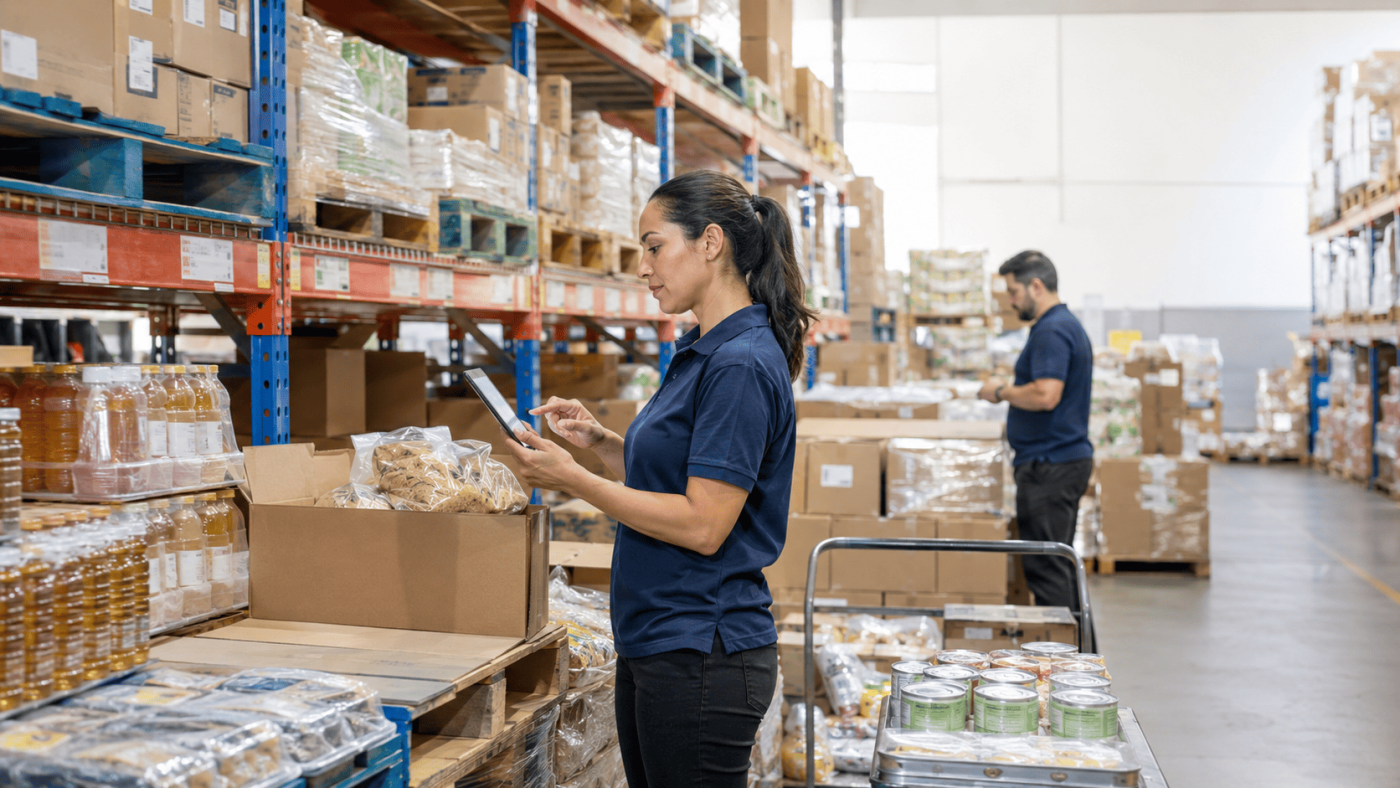
Inventory accuracy plays a major role in food distribution. Food distributors manage fast-moving products, short shelf lives, changing customer orders, and delivery routes that often shift during the day. Because of this, the right inventory tracking methods can help a business reduce waste, protect profit margins, and improve customer service.
Unlike general retail inventory, food distribution requires more control. Products may expire quickly. Some items need cold storage. Drivers may carry inventory in trucks. Warehouse teams may receive new purchase orders while sales teams continue to create customer orders. Without a clear process, small stock errors can quickly become expensive problems.
The best inventory tracking methods help distributors know what products they have, where those products are, when they expire, and when the business needs to reorder. A strong system also helps teams avoid overstocking, prevent missed deliveries, and reduce communication problems between warehouse staff, drivers, sales teams, and managers.
Modern food distributors need more than shelf counts. They need inventory data that connects with purchasing, order fulfillment, route delivery, customer accounts, and warehouse activity. This is where digital tools such as the Distributal app can help. Distributal supports food distributors that want a more organized way to manage product movement, purchase orders, stock levels, and delivery workflows.
Why Food Distributors Need Better Inventory Tracking
Food distributors work in a fast-moving environment. A warehouse team may receive products in the morning. Sales representatives may create orders during the day. Drivers may deliver products to multiple stores before returning with updated stock counts. If these steps do not connect, the business may not know its real inventory position.
Poor inventory tracking creates daily problems. A distributor may accept customer orders for products that are not available. A warehouse may hold too much slow-moving stock while running out of high-demand items. Drivers may leave with the wrong quantities. Expired or damaged goods may stay in storage because the team lacks a clear rotation process.
These problems can hurt customer trust. Restaurants, cafés, grocery stores, and convenience stores depend on food distributors for reliable deliveries. When a distributor often delivers late, short ships orders, or replaces unavailable products, customers may look for another supplier.
Strong inventory tracking methods also improve financial control. Inventory represents money inside the warehouse or on delivery vehicles. If the business cannot track it accurately, managers cannot clearly understand cost, margin, shrinkage, or purchasing needs.
The Role of Inventory Accuracy in Food Distribution
Inventory accuracy helps every department work with better information. Sales teams need to know what they can sell. Warehouse teams need to know what they should pick. Purchasing teams need to know when to reorder. Drivers need to know what they should load and deliver.
When inventory records match real stock, teams waste less time checking, correcting, and guessing. Managers can make decisions based on actual product movement instead of assumptions. This improves the entire operation.
Accurate inventory also helps food distributors reduce waste. When the team knows which products move slowly, which items expire soon, and which products customers order most often, the business can plan better. This leads to smarter purchasing and fewer emergency decisions.
For growing distributors, accuracy becomes even more important. A small team may manage inventory with spreadsheets at first. However, as SKUs, routes, warehouses, and customer accounts increase, manual tracking becomes harder to control. Digital inventory tracking methods make growth more manageable.
FIFO Inventory Tracking
FIFO means first in, first out. This method helps the team move older stock before newer stock. Many food distributors use FIFO because it keeps inventory rotation simple and reduces the risk of forgotten products.
For example, if a warehouse receives one batch of pasta sauce on Monday and another batch on Friday, the Monday batch should leave the warehouse first. This process helps prevent old stock from sitting behind newer stock.
FIFO works well for dry goods, canned products, beverages, snacks, and other items with longer shelf lives. It also helps warehouse teams follow a simple picking rule. Staff do not need to guess which product should move first because the receiving date guides the decision.
To use FIFO effectively, warehouse teams must organize shelves carefully. Older products should stay in front or in easier picking positions. Newer products should go behind them. The inventory system should also record receiving dates so managers can monitor aging stock.
FIFO becomes more powerful when teams combine it with digital inventory records. A system like Distributal can help distributors track product movement more clearly, especially when orders, stock updates, and purchase activity connect in one workflow.
FEFO Inventory Tracking
FEFO means first expired, first out. This method focuses on expiration dates instead of receiving dates. For many food distributors, FEFO offers better control than FIFO because food products may arrive with different shelf lives.
For example, a distributor may receive one batch of juice on Monday with a six-month expiration date. Another batch may arrive on Wednesday with a four-month expiration date. FIFO would move the Monday batch first. FEFO would move the Wednesday batch first because it expires sooner.
FEFO works especially well for fresh, chilled, frozen, short-dated, and promotional food products. It helps the team reduce waste and sell products while they still have enough shelf life for customers.
To use FEFO correctly, the business must track expiration dates during receiving. Warehouse staff should check dates before they put products away. Pickers should also follow expiration-based picking rules, not just location-based habits.
Digital inventory tracking methods make FEFO easier. When product records include expiration dates, managers can see which items need attention. They can discount slow-moving stock earlier, adjust purchasing plans, or prioritize certain items for upcoming deliveries.
Barcode and SKU Tracking
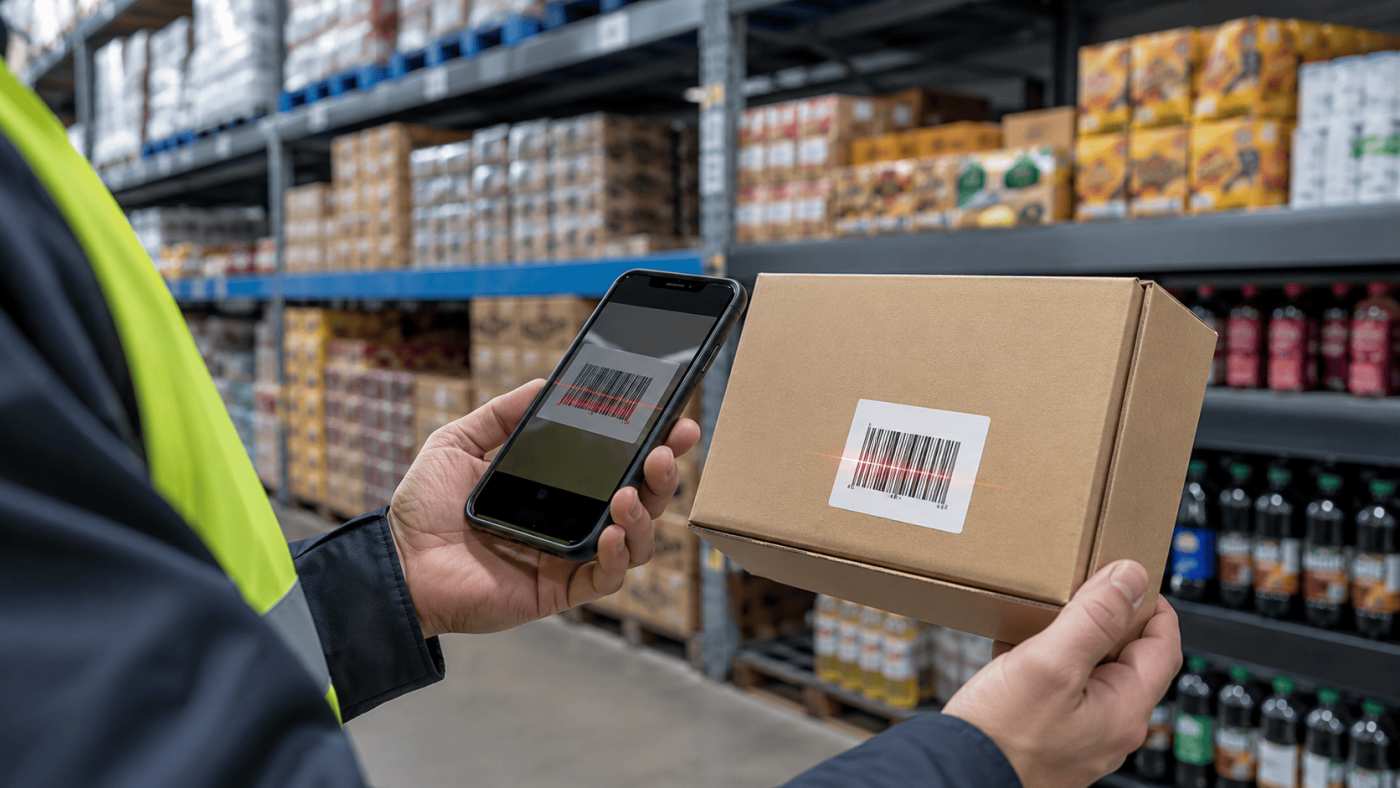
Barcode and SKU tracking are practical inventory tracking methods for food distributors that want better speed and accuracy. A SKU, or stock keeping unit, gives each product a unique internal code. A barcode gives the team a fast way to scan and record product movement.
Food distributors often carry many similar products. A drink distributor may sell the same beverage in different flavors, bottle sizes, case sizes, and pack formats. A snack distributor may sell single units, inner packs, and full cases. Without clear SKU rules, teams can easily pick or deliver the wrong item.
A strong SKU structure helps everyone use the same product language. Each product should have a unique code. Product names should stay consistent. Unit types should remain clear. Case quantities should match how the business buys and sells the product.
Barcode scanning reduces manual typing. Warehouse staff can scan products during receiving, picking, stock counts, transfers, and delivery checks. This improves speed and reduces human error.
Before using advanced inventory tracking methods, distributors should clean their product database. Duplicate products, unclear units, and inconsistent names can damage reports. Clean data gives the business a better foundation.
Real-Time Warehouse Inventory Updates
Real-time warehouse updates help food distributors see stock changes as they happen. In a manual process, the team may update inventory at the end of the day. This delay creates a gap between the system and the real warehouse.
That gap can create problems. A sales representative may sell products that the warehouse no longer has. A picker may start an order and discover missing stock. A purchasing manager may reorder too late because the system shows old numbers.
Real-time inventory tracking methods reduce these risks. When the team receives, transfers, picks, delivers, returns, or adjusts stock, the system should update the inventory record quickly. This gives everyone a more accurate view of available products.
Real-time updates also help distributors with multiple stock locations. Some businesses store products in more than one warehouse. Others keep inventory on delivery trucks. In direct store delivery, drivers may sell or deliver products from vehicles throughout the day.
Distributal can support this connected workflow by helping teams manage inventory, orders, purchase orders, and distribution activity in a more organized system. This gives food distributors better visibility across daily operations.
Route and Truck Inventory Tracking
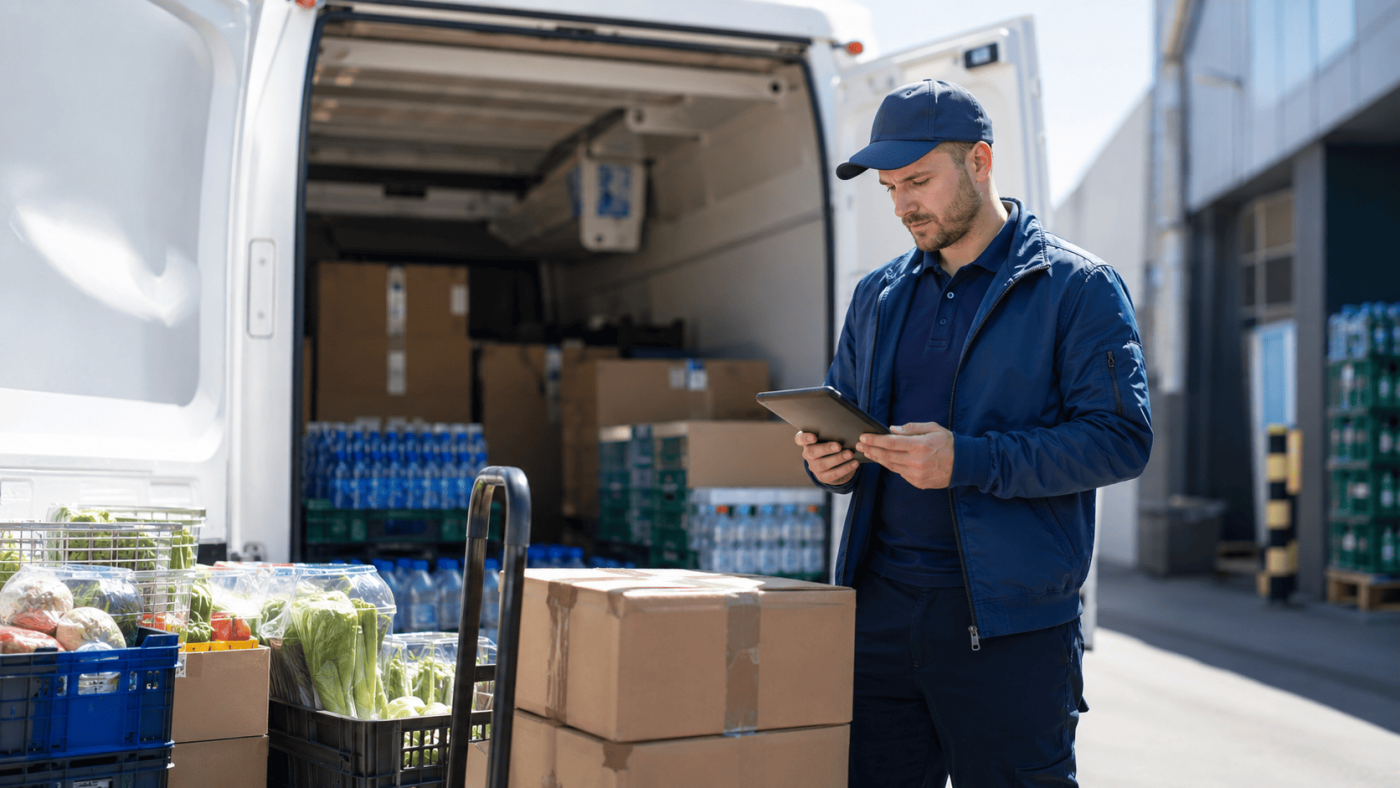
Many food distributors manage inventory outside the warehouse. Drivers may carry stock in trucks, vans, or route vehicles. Because of this, route and truck inventory tracking are important inventory tracking methods for field sales and direct store delivery operations.
Truck inventory tracking should start before the route begins. The team should record which products and quantities go onto each vehicle. During the route, drivers should record delivered quantities, returned items, damaged products, and any changes made at the customer location.
This method helps managers compare what left the warehouse with what came back. It also helps the business understand route-level performance. Managers can see which products sell well on specific routes and which items drivers often return.
Route tracking also reduces disputes. If a customer says an item did not arrive, the distributor can review the delivery record. If stock goes missing, managers can compare loading records with completed route data.
For food distributors with mobile teams, this visibility matters. Distributal can help connect warehouse planning with real delivery activity, giving teams a clearer view of inventory movement from warehouse to customer.
Demand Forecasting for Food Distributors
Demand forecasting helps distributors plan future inventory needs. Basic tracking tells a business what it has now. Forecasting helps the business estimate what it will need next week, next month, or during a busy season.
Food demand changes for many reasons. Some products sell more during holidays. Some items move faster before weekends. Weather, promotions, local events, and supplier delays can also affect demand. Without data, teams rely too much on guesswork.
A good forecast uses sales history, customer order patterns, supplier lead times, seasonality, and current stock levels. The goal is to prevent stockouts without buying too much inventory.
Forecasting also helps distributors protect cash flow. Overstocking ties up money in products that may not move quickly. Understocking causes missed sales and unhappy customers. Balanced forecasting helps the business buy smarter.
Inventory tracking methods become more valuable when they produce useful data. When a distributor tracks orders, stock movement, and purchasing activity consistently, managers can make better reorder decisions.
Reorder Planning and Safety Stock
Reorder planning tells a distributor when to buy more inventory. A reorder point should consider average demand, supplier lead time, safety stock, and product shelf life. Without reorder planning, teams often buy too late or buy too much.
Safety stock gives the business a small buffer. It helps protect against demand spikes, supplier delays, and unexpected customer orders. However, food distributors must use safety stock carefully because many products expire.
A fast-moving product with a long supplier lead time may need more safety stock. A slow-moving product with a short shelf life may need less. The right balance depends on product type, sales speed, and supplier reliability.
Reorder planning should also include customer demand patterns. Some accounts may order the same products every week. Others may order heavily during specific seasons. When the business tracks these patterns, purchasing becomes more accurate.
Distributal can support better reorder planning by helping distributors organize product movement, purchase activity, and order data. Over time, this creates a clearer picture of what the business should buy and when it should buy it.
Key Inventory Tracking Methods Food Distributors Should Use
The best inventory tracking methods often work together. Food distributors usually get the best results when they combine product identification, stock movement tracking, warehouse controls, route visibility, and demand planning.
- Use FIFO for products where receiving date matters most. This helps older stock move first.
- Use FEFO for products with expiration dates. This helps reduce waste and protects product quality.
- Create a clear SKU system for every product, size, pack type, and case configuration.
- Use barcode scanning to reduce manual entry errors during receiving, picking, counting, and delivery checks.
- Track inventory by location, including warehouse stock, truck stock, damaged stock, returned stock, and reserved stock.
- Record lot numbers and batch details when the product requires traceability.
- Update inventory in real time or as close to real time as possible.
- Track product movement from purchase order to customer delivery.
- Use cycle counts instead of relying only on full physical counts.
- Set reorder points for important products.
- Review slow-moving inventory every week.
- Connect inventory data with customer orders to reduce short shipments.
These inventory tracking methods give food distributors a stronger foundation for daily operations. They also help managers make better decisions with more reliable data.
Best Practices for Implementing Inventory Tracking Methods
Choosing the right inventory tracking methods is only the first step. The bigger challenge is using them consistently across the business.
- Clean your product data before changing the process. Remove duplicate products, fix names, confirm units, and check case quantities.
- Define inventory responsibilities clearly for warehouse staff, drivers, sales representatives, and managers.
- Standardize receiving procedures so every incoming product gets checked, counted, recorded, and stored correctly.
- Train teams on FIFO and FEFO rules so staff understand how product rotation works.
- Give field teams mobile access to inventory and order information.
- Create clear rules for damaged, returned, and unsellable products.
- Schedule regular cycle counts to catch errors early.
- Review inventory reports weekly to find stockouts, slow movers, shrinkage, and unusual adjustments.
- Connect inventory with purchasing so purchase orders update stock after receiving.
- Avoid relying only on spreadsheets as the business grows.
- Choose software that matches food distribution workflows.
- Improve one process at a time instead of changing everything at once.
Distributal can help food distributors move from scattered spreadsheets and manual notes into a more structured workflow. The app supports inventory, ordering, purchase orders, and distribution operations, which helps teams build a more reliable process.
How Distributal Supports Food Distribution Inventory
Distributal helps distribution businesses organize inventory, orders, purchase activity, and customer account workflows. For food distributors, this matters because inventory connects with almost every part of the business.
A stock issue can affect purchasing, warehouse work, delivery routes, customer service, billing, and sales performance. When teams work from separate spreadsheets, messages, and paper forms, they can easily lose track of important details.
Distributal gives teams a more organized way to manage daily operations. Warehouse teams can work with clearer product information. Sales teams can create orders with better visibility. Managers can review stock activity more easily.
The app also helps improve consistency. The best inventory tracking methods depend on repeatable steps. If every employee records stock differently, the business will continue to face errors. A structured system helps teams follow the same process.
As distributors grow, this consistency becomes even more valuable. More customers, SKUs, routes, and orders create more chances for mistakes. Distributal helps food distributors build a scalable foundation for better inventory control.
Common Inventory Tracking Mistakes to Avoid
Many food distributors lose money because they repeat the same inventory mistakes. These mistakes often start small, but they grow as the business handles more products and customers.
One common mistake is using unclear product names. If the same product appears under different names, the team may order, pick, or deliver the wrong item. Another mistake is mixing units and cases without clear rules. This can create incorrect stock counts and pricing errors.
Some distributors also ignore slow-moving inventory until it becomes expired or unsellable. Managers should review aging stock before it becomes a loss. They can offer promotions, adjust purchasing, or move products to routes where demand is stronger.
Another major mistake is separating inventory from orders. When sales, warehouse, and delivery teams use different records, stock accuracy drops. A connected system gives everyone a clearer view.
Food distributors should also avoid depending too much on memory. A good process should not rely on one experienced employee knowing where everything is. The system should make inventory information clear for the whole team.
Final Thoughts on Inventory Tracking Methods
The best inventory tracking methods help food distributors control stock, reduce waste, improve deliveries, and make better purchasing decisions. Methods such as FIFO, FEFO, barcode tracking, real-time updates, truck inventory tracking, forecasting, and reorder planning all support stronger daily operations.
Food distribution has unique challenges. Products move quickly. Customer demand changes often. Some items expire fast. Drivers and warehouse teams must coordinate closely. Because of this, distributors need inventory systems that support real operational workflows.
Distributal can help food distributors organize these workflows in one more connected system. By supporting inventory, orders, purchase activity, and distribution operations, the app helps teams improve accuracy and reduce manual confusion.
Inventory tracking methods should not be treated as a one-time setup. They should become part of daily business discipline. When a distributor keeps product data clean, trains the team, reviews reports, and uses the right software, inventory becomes easier to control.
Better inventory control leads to better service. It helps distributors deliver the right products, at the right time, with fewer errors. For food distributors that want to grow, strong inventory tracking is not optional. It is a core part of running a more reliable and profitable business.
References
- FDA – FSMA Final Rule on Sanitary Transportation of Human and Animal Food
https://www.fda.gov/food/food-safety-modernization-act-fsma/fsma-final-rule-sanitary-transportation-human-and-animal-food - USDA – Food Loss and Waste
https://www.usda.gov/about-food/food-safety/food-loss-and-waste
Get Started with Distributal Today
Ready to streamline your field operations? Experience the speed of mobile-first invoicing and real-time inventory management yourself. The Distributal app is now available for download on all major platforms
