

Revenue leakage in distribution often happens quietly. It may come from a pricing mistake, missed invoice line, delivery issue, stock adjustment, or manual order error. For foodservice distributors, these small gaps can reduce profit margins over time, especially when ordering, inventory, delivery, and invoicing are handled across disconnected tools.
The difficult part is that revenue leakage does not always look like a major problem at first. A small discount may be approved without review. A delivery fee may be missed. A returned product may not be recorded correctly. A customer-specific price may be entered manually and never updated. Each mistake may look minor, but together they can create a serious loss.
Preventing revenue leakage in distribution is not only a finance responsibility. It involves sales, warehouse teams, drivers, customer service, operations, and management. Every department touches part of the order-to-cash process, so every department can either reduce or increase the risk of revenue leakage.
This is also why revenue leakage is closely connected to digital transformation in foodservice distribution. When ordering, inventory, delivery, and invoicing become more visible, distributors can catch small issues earlier and reduce avoidable losses without making the business feel less flexible.
What Revenue Leakage in Distribution Means

Revenue leakage in distribution means the business earns less than it should because of process gaps, errors, missing charges, weak controls, or poor visibility. It is not always the same as theft or fraud. In many cases, it happens because teams are busy, systems are disconnected, or important details are handled manually.
For example, a distributor may deliver the correct products but invoice the wrong quantity. A sales representative may offer a special price but forget to confirm the margin. A warehouse team may substitute an item, but finance may still invoice the original product. A customer may reject part of a delivery, but the return may not be linked correctly to the invoice.
These issues are common in distribution because each order has many moving parts. A single order may include customer-specific pricing, product availability, picking, packing, route planning, delivery confirmation, returns, credits, tax, and payment terms. If one step is not recorded properly, the final invoice may not match the real value of the transaction.
The goal is not to make every process complicated. The goal is to create enough visibility so that teams know what was ordered, what was delivered, what changed, what should be billed, and what still needs follow-up.
Common Causes of Revenue Leakage in Distribution
Revenue leakage in distribution usually comes from small operational gaps rather than one large mistake. These gaps often appear across pricing, ordering, inventory, delivery, returns, and billing.
One common cause is manual order entry. When orders come through phone calls, chat messages, emails, or handwritten notes, there is a higher chance of entering the wrong product, quantity, unit size, or delivery date. Even when the sales team understands the customer well, manual entry can still create mistakes during busy periods.
Another common cause is inconsistent pricing. Distributors may have different prices for different customers, special terms, seasonal promotions, and temporary discounts. If these are stored in spreadsheets or managed informally, teams may apply the wrong price or continue using an expired discount.
Inventory gaps can also create leakage. If stock records are inaccurate, teams may promise unavailable products, substitute items incorrectly, over-order stock, or lose products through spoilage and waste. In foodservice distribution, where many products are time-sensitive, poor inventory visibility can quickly affect margins.
Delivery changes are another risk. Partial deliveries, rejected items, damaged goods, and returns need to be recorded accurately. If delivery information does not reach finance clearly, invoices may be delayed, reduced, or corrected later through credit notes.
Finally, billing and collection delays can create revenue leakage. If invoices are based on incomplete information, or if unpaid balances are not followed up consistently, the business may lose revenue that should have been collected.
How Order Accuracy Helps Prevent Revenue Leakage
Order accuracy is one of the most important ways to prevent revenue leakage in distribution. If the original order is wrong, every step after that becomes harder to control.
A clean order process should make it easy to confirm the correct customer, product, quantity, pack size, delivery date, price, and special instruction. This is especially important for foodservice distributors because many customers order frequently and expect fast service.
For example, a restaurant may order the same products every week but occasionally change quantities or delivery times. If the change is not captured correctly, the warehouse may pick the wrong amount, the driver may deliver the wrong items, and the invoice may need correction later. This creates extra work and increases the risk of lost revenue.
Digital ordering can help reduce these mistakes by giving customers and sales teams a clearer way to select products and confirm details. The customer can choose from a product catalog, see available items, and submit an order with fewer back-and-forth messages.
This does not mean distributors need to remove personal service. Many foodservice customers still value direct contact with sales representatives. However, even when an order starts from a phone call or message, it should be entered into a structured system as early as possible. That gives the business a clearer record and reduces the chance of missed or incorrect information.
Better order accuracy protects revenue, reduces disputes, and helps teams work with more confidence.
Control Pricing, Discounts, and Special Terms
Pricing is one of the easiest places for revenue leakage in distribution to hide. A small discount on one order may not look serious, but repeated pricing errors can reduce profit across many customers and products.
Distributors should clearly define who can approve discounts, how long special prices last, and how customer-specific pricing is reviewed. Temporary promotions should have an end date. Customer contract pricing should be stored in one reliable place. Sales teams should not need to guess which price is correct.
This is especially important when product costs change quickly. In foodservice distribution, supplier prices, fuel costs, transport costs, and seasonal availability can change often. If selling prices are not updated at the right time, distributors may continue selling products at lower margins without noticing.
A good practice is to review margin exceptions regularly. Managers can check orders where the selling price is below the target margin, where discounts are unusually high, or where manual price overrides happen often. These checks help identify pricing leakage before it becomes normal.
Pricing control should not make the sales team less flexible. Sales teams still need room to support important customers, respond to market changes, and close deals. The difference is that pricing decisions should be visible, approved, and measurable.
When pricing is controlled properly, distributors can protect margin without damaging customer relationships.
Improve Inventory Visibility
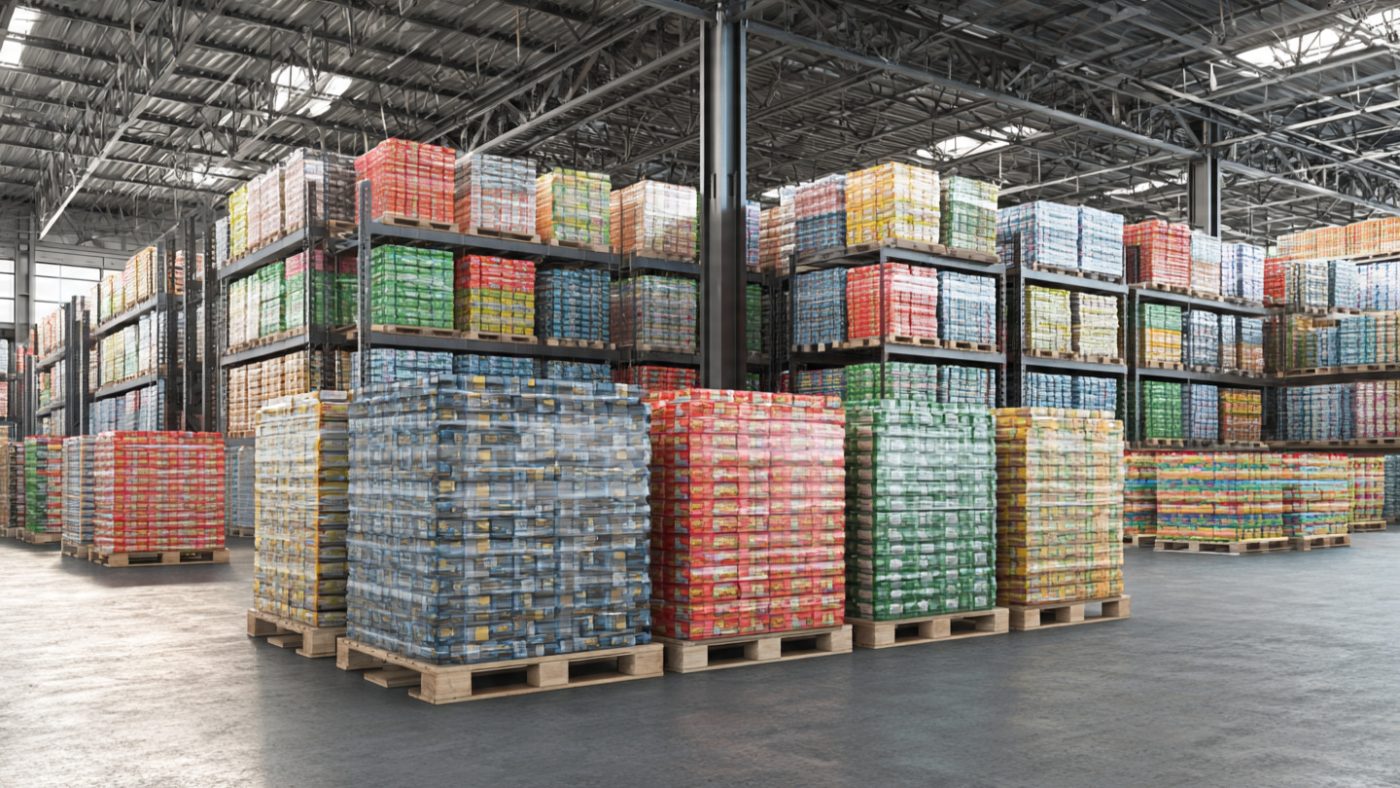
Inventory visibility plays a major role in reducing revenue leakage in distribution. If the business does not know what stock is available, where it is located, or how it is moving, revenue loss becomes harder to prevent.
Poor inventory visibility can lead to stockouts, overstocking, spoilage, emergency purchasing, incorrect substitutions, and unnecessary write-offs. Each of these issues can reduce profit in a different way.
For example, if a product is shown as available but is actually out of stock, the sales team may promise it to a customer. The warehouse may then need to substitute another item, delay the delivery, or cancel part of the order. If that change is not recorded correctly, the invoice may not match what was delivered.
On the other hand, if slow-moving products are not monitored, the distributor may hold too much stock until it becomes expired, damaged, or difficult to sell. This is especially risky for fresh, chilled, or frozen food products.
To improve control, distributors should track stock movement from receiving to storage, picking, delivery, returns, and adjustments. Every stock adjustment should have a reason. Every return should be linked to the original order or invoice. Products with repeated issues should be reviewed by operations and purchasing teams.
Better inventory visibility helps the business sell more accurately, reduce waste, and prevent avoidable losses.
Connect Delivery Proof With Invoicing
Delivery is one of the most important control points in distribution. The invoice should reflect what was actually delivered, accepted, rejected, or returned.
Revenue leakage in distribution often happens when delivery information is incomplete. A driver may deliver only part of an order. A customer may reject damaged goods. A product may be substituted. A return may be collected. If these changes are written on paper or reported later through informal messages, finance may not receive the correct information in time.
This can lead to underbilling, over-crediting, invoice disputes, or delayed payment. It also creates more manual work because finance teams need to ask sales, warehouse, or drivers what really happened.
A better process is to connect proof of delivery with order and invoice data. Delivery teams should capture accepted items, rejected items, customer signatures, photos if needed, notes, and return details as close to real time as possible.
This does not only protect the distributor. It also helps customers. When there is a clear record of what happened during delivery, disputes can be resolved faster and more fairly.
In foodservice distribution, delivery issues can happen because restaurants are busy, delivery windows are tight, and product quality matters. A clear delivery record helps both sides avoid confusion.
Watch Credits, Returns, and Claims Carefully
Credits and returns are normal in distribution, but they need to be controlled carefully. Without proper review, they can become a major source of revenue leakage in distribution.
A customer may request a credit because of damaged goods, missing items, late delivery, wrong products, or rejected substitutions. Some credits are valid and necessary for good customer service. However, if credits are approved without clear reasons, the business may lose revenue without understanding why.
Every credit note should be connected to the original order or invoice. It should also include a reason, approval record, and supporting detail. This makes it easier to review patterns later.
For example, if one product is frequently returned, there may be a quality issue, packaging issue, or product description problem. If one route has many rejected deliveries, there may be a picking, timing, or driver communication issue. If one customer requests credits often, the account may need a closer review.
Returns should also be handled carefully. Returned goods may be resellable, damaged, expired, or unsuitable for resale. The financial treatment should match the condition of the product.
By reviewing credits and returns as operational data, distributors can find the root causes of leakage and improve service quality at the same time.
Use Reporting to Find Small Revenue Leaks Early
Revenue leakage is hard to prevent if the business only reviews total sales. Sales may look strong while margins are quietly falling.
Distributors should use reports that show where small problems are happening. These reports do not need to be complicated at the beginning. Even a weekly review can help managers identify issues before they become expensive.
Useful reports include:
- Orders with manual price overrides
- Products sold below target margin
- Customers receiving unusual discounts
- Invoices with missing delivery charges
- Frequent credit notes by customer or product
- High return rates by route or driver
- Stock adjustments without clear reasons
- Orders delivered but not invoiced
- Delayed invoices
- Customers with growing unpaid balances
These reports help the business move from guessing to managing. Instead of waiting until month-end to notice lower profit, managers can identify problems earlier and take action.
Reporting also helps teams understand whether leakage is coming from pricing, inventory, delivery, billing, or customer behavior. Once the cause is clear, the business can fix the right process instead of creating unnecessary rules.
The most important point is consistency. Revenue leakage prevention works best when teams review the same signals regularly.
Align Sales, Operations, and Finance
Revenue leakage in distribution often appears when different teams work from different information.
Sales may know the customer agreement. The warehouse may know what was picked. Drivers may know what was delivered. Finance may only see the invoice data. If these details are not connected, the business depends on manual follow-up.
This creates delays and increases the chance of mistakes. Finance may need to ask sales why a discount was applied. Sales may need to ask warehouse whether a product was substituted. Warehouse may need to ask drivers whether a customer rejected part of the order.
To reduce this problem, distributors should create clearer handoffs between departments. Sales should record approved pricing and customer terms. Operations should update fulfillment changes. Delivery teams should capture exceptions. Finance should be able to verify invoice details without chasing multiple people.
Simple process improvements can make a big difference. For example, a distributor can standardize order notes, require approval for large discounts, record delivery exceptions digitally, and review credit reasons weekly.
The goal is not to slow the business down. The goal is to make sure important information does not disappear between teams.
How Digital Transformation Supports Better Revenue Control
Digital transformation can support revenue leakage prevention by making the distribution workflow more visible and connected.
When orders, inventory, delivery, customer communication, and invoicing are handled in separate places, small gaps become harder to see. Teams may rely on memory, screenshots, spreadsheets, or manual follow-up. This creates more room for mistakes.
A more connected workflow helps distributors see what was ordered, what was available, what was picked, what was delivered, what changed, and what should be invoiced. This makes revenue leakage in distribution easier to prevent.
Digital tools can also help teams create cleaner records. Order details are easier to confirm. Pricing is easier to control. Inventory is easier to monitor. Delivery proof is easier to capture. Reports are easier to review.
For distributors already exploring better digital workflows, platforms built for modern foodservice distribution, such as Distributal, can help reduce the manual gaps where revenue leakage often begins. The value is not only in replacing paperwork. It is in giving teams a clearer view of the full order-to-cash process.
Technology should support the way distributors already work. It should not make the process too heavy or complicated. The best starting point is usually the area where the business is losing the most time, margin, or visibility.
Practical Steps to Prevent Revenue Leakage
Preventing revenue leakage in distribution does not need to start with a large project. Distributors can begin with practical steps and improve over time.
Start by reviewing where the business loses the most control. Is it pricing? Order entry? Inventory? Delivery changes? Credit notes? Late invoicing? Once the biggest leakage area is clear, it becomes easier to prioritize improvements.
A practical action plan may include:
- Standardize order entry across sales channels
- Review customer-specific pricing regularly
- Set approval rules for discounts and special terms
- Track inventory adjustments with clear reasons
- Connect proof of delivery with invoice updates
- Require reasons for credits and returns
- Review margin exceptions every week
- Monitor unpaid invoices and delayed billing
- Create shared reports for sales, operations, and finance
- Improve one workflow at a time instead of trying to fix everything at once
Small improvements can create meaningful results. For example, correcting price overrides may protect margin. Improving delivery proof may reduce disputes. Reviewing credit patterns may reveal product or route issues. Better inventory control may reduce waste.
The key is to make leakage visible. Once the business can see where revenue is slipping away, it can fix the right process.
Final Thoughts on Revenue Leakage in Distribution
Revenue leakage in distribution is usually not caused by one dramatic mistake. It often comes from small process gaps that happen every day: a wrong price, a missed fee, a manual order error, a delayed invoice, a stock adjustment, or a delivery change that is not recorded properly.
The best way to prevent revenue leakage is to improve visibility across the full workflow. Distributors need accurate orders, controlled pricing, reliable inventory data, connected delivery records, disciplined credit management, and regular reporting.
For foodservice distributors, this is part of a larger shift toward digital transformation. When teams can see and manage the full process more clearly, they can protect margins, reduce disputes, and serve customers with more confidence.
Preventing revenue leakage is not about making the business less flexible. It is about making sure the work already being done is properly recorded, billed, and understood.
References
- Distributal — Digital Transformation in Foodservice Distribution
- Supply Chain Brain — Five Challenges Facing Private Fleet Foodservice Distributors Useful supporting reference because it discusses practical foodservice distribution challenges such as delivery complexity, route pressure, paper-based documentation, and operational visibility gaps.
Get Started with Distributal Today
Ready to streamline your field operations? Experience the speed of mobile-first invoicing and real-time inventory management yourself. The Distributal app is now available for download on all major platforms
