
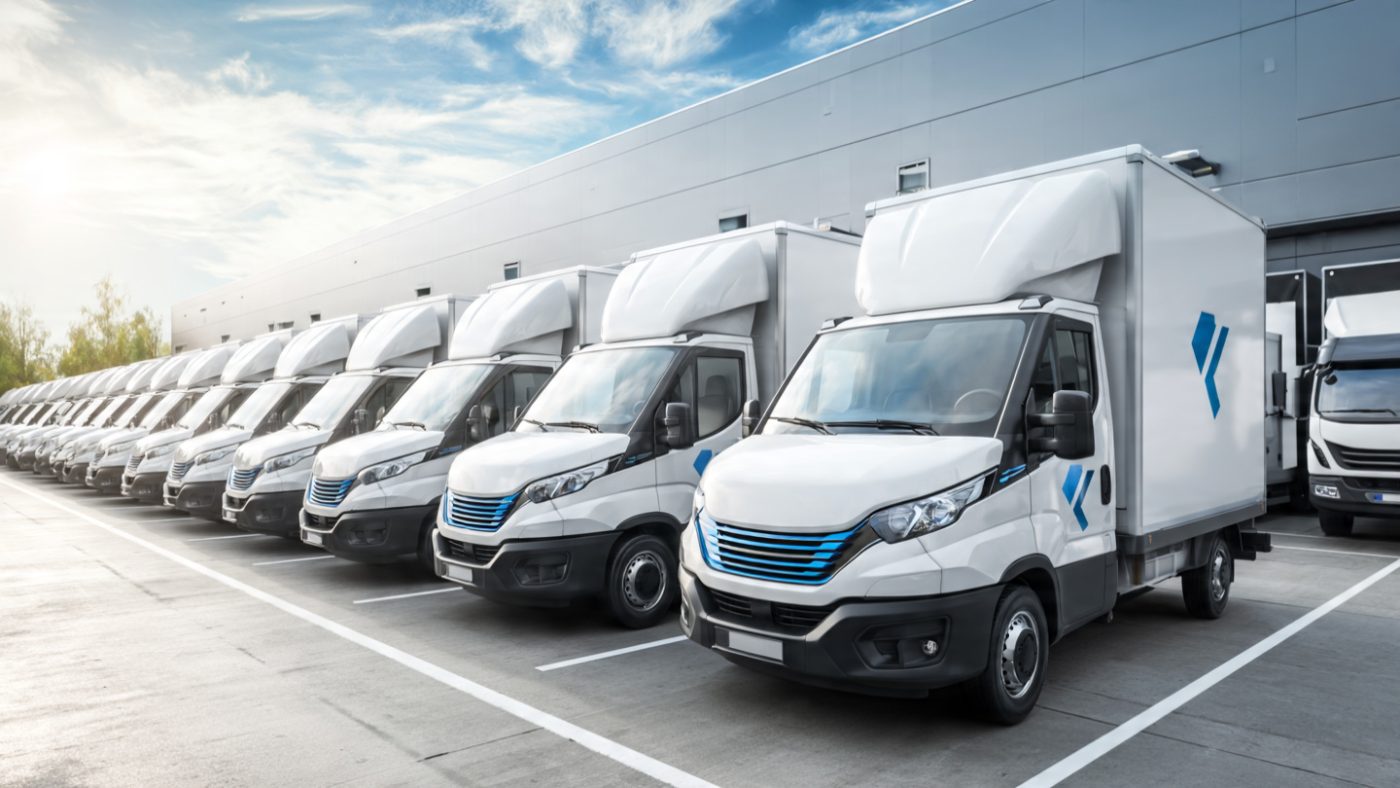
Fuel consumption represents one of the largest ongoing expenditures for any commercial fleet operator. In an era marked by volatile energy markets, fluctuating pump prices, and tightening regulatory standards around carbon emissions, controlling these expenses is paramount to maintaining a healthy bottom line. For organizations managing delivery vans, freight trucks, or service vehicles, learning how to reduce fuel costs is not merely a matter of cutting corners; it is a core business strategy that directly influences overall profitability, competitive positioning, and operational longevity.
To successfully manage a fleet budget, modern operators must shift away from reactive cost-monitoring and move toward proactive, data-driven optimization strategies. This comprehensive guide details actionable approaches to curb excessive fuel consumption across your entire operation. By focusing on driver habits, proactive vehicle maintenance, advanced route planning technologies, and strategic asset management, your business can build an efficient, resilient framework that actively minimizes waste at every turn.
Why Fuel Management is Critical for Fleet Longevity
Fluctuating energy prices make long-term financial planning highly challenging for logistics and field service companies. When a business fails to actively monitor and manage its energy consumption, it leaves its profit margins entirely vulnerable to global supply chain shocks and market volatility. Implementing a dedicated fuel management strategy provides a stabilization mechanism, allowing company leaders to project operational expenses with greater accuracy and protect their cash flow from sudden market spikes.
Beyond the immediate financial benefits, reducing fuel waste plays an essential role in extending the total lifecycle of your corporate assets. Vehicles that consume fuel inefficiently are often the same assets experiencing accelerated mechanical degradation due to aggressive driving or poor maintenance. By instigating a culture centered on efficiency, you simultaneously lower the frequency of component failures, reduce unexpected downtime, and preserve the resale value of your vehicles, ensuring that your fleet remains operational and productive for years to come.
How to Reduce Fuel Costs Through Better Route Planning

Traditional route planning methods often rely heavily on driver intuition or basic mapping software, both of which frequently fail to account for the dynamic variables encountered on modern roadways. Inefficient routing leads directly to unnecessary mileage, excessive idling in gridlock, and prolonged transit times, all of which inflate your daily operating costs. Advanced route optimization software eliminates this guesswork by analyzing historical data patterns, real-time traffic updates, and delivery windows to construct the most efficient path possible for every vehicle in your deployment.
A highly effective way to streamline this entire logistical process is by integrating specialized tools designed to coordinate distribution workflows. For instance, utilizing the Distributal app allows dispatchers and managers to seamlessly organize delivery schedules, optimize vehicle utilization, and ensure that drivers are assigned routes that minimize both time on the road and fuel burned. When your dispatch team uses automated platforms like the Distributal app to bridge the gap between order intake and fleet deployment, your business eliminates duplicate trips and ensures that every gallon of fuel purchased translates directly into productive, revenue-generating mileage.
The Impact of Preventive Maintenance on Fuel Economy
A vehicle cannot operate at its peak thermal efficiency if its internal mechanical systems are neglected or degraded. Simple maintenance oversights, such as clogged air filters, old engine oil, or dragging brake calipers, force the engine to work significantly harder to move the same payload, resulting in a measurable drop in miles per gallon. Establishing a strict preventive maintenance schedule ensures that every truck or van in your operation runs under optimal mechanical conditions, preventing minor wear from cascading into costly fuel inefficiencies and major breakdowns.
Tire management represents another critical aspect of preventive maintenance that directly dictates how much fuel your vehicles consume on a daily basis. Under-inflated tires increase rolling resistance, meaning the engine must expend more energy to overcome the friction between the rubber and the pavement. Consistently checking tire pressures against manufacturer recommendations, performing routine wheel alignments, and replacing unevenly worn tires are straightforward, highly effective tactics that yield immediate improvements in overall fleet fuel economy.
Leveraging Telematics and Data Analytics for Efficiency
Modern telematics systems offer fleet managers an unprecedented level of visibility into the real-time operational status and performance metrics of their remote assets. By installing onboard diagnostics devices across your fleet, you can collect granular data regarding speed profiles, fuel burn rates, diagnostic trouble codes, and precise geographic positioning. This continuous stream of information transforms fuel tracking from a backward-looking administrative chore into an active, data-driven diagnostic tool that highlights exactly where waste occurs.
Analyzing this aggregated data allows management teams to pinpoint systemic inefficiencies that might otherwise go unnoticed, such as specific routes that consistently cause high fuel burn or particular vehicles that perform poorly compared to identical models in the fleet. With these empirical insights in hand, you can make informed decisions regarding asset allocation, route adjustments, and targeted maintenance interventions. Embracing telematics shifts your operational paradigm from guessing how fuel is used to knowing precisely how to optimize its consumption.
Transitioning to Fuel-Efficient Vehicles and Alternative Fuels

As automotive technology continues to evolve, upgrading your fleet assets presents a highly sustainable pathway toward long-term operational cost reduction. Modern internal combustion engines are designed with advanced aerodynamics, lightweight materials, and high-efficiency powertrains that outperform older models by significant margins. When the time comes to cycle out aging vehicles, prioritizing fuel economy ratings and aerodynamic configurations during the procurement process ensures that your incoming assets inherently demand less fuel to complete their daily tasks.
For organizations looking to future-proof their operations even further, exploring alternative fuel sources and hybrid or fully electric powertrains offers a distinct competitive advantage. Transitioning certain urban or short-haul routes to electric or hybrid vehicles completely eliminates or drastically reduces reliance on traditional petroleum products. While the initial capital expenditure for clean-energy vehicles can be higher, the combination of lower per-mile energy costs, reduced mechanical complexity, and minimal maintenance requirements creates a compelling total cost of ownership proposition for forward-thinking fleet operators.
Establishing Effective Fuel Procurement Strategies
Controlling how much fuel your vehicles consume is only half of the equation; managing the actual price you pay per gallon is equally vital to successful cost containment. Allowing drivers to fuel up at any convenient retail station often results in paying premium prices and makes tracking expenses highly chaotic. Implementing a structured corporate fuel card program solves this issue by restricting purchases to approved networks, preventing unauthorized spending, and automatically capturing clean transaction data for administrative review.
In addition to implementing fuel cards, fleet managers can negotiate volume-based discounts with major fuel providers or explore bulk fuel storage solutions for centralized depots. Purchasing fuel in bulk allows your organization to lock in lower wholesale prices and shields your operation from the daily pricing fluctuations seen at retail pumps. By combining disciplined purchasing policies with centralized fueling infrastructure, you gain tighter control over your liquid asset supply chain and eliminate the premium expenses associated with ad-hoc retail fueling.
Eliminating Costly Idling and Engine Abuse
- Implement Strict Idle Limits: Establish a formal company policy that requires drivers to turn off their engines if a vehicle remains stationary for more than three consecutive minutes during deliveries or loading procedures.
- Utilize Auxiliary Power Units: Equip long-haul sleeper cabs with auxiliary power units or battery-powered climate control systems so drivers can maintain comfortable cabin temperatures without running the main engine overnight.
- Deploy Automated Shutdown Timers: Program vehicle engine control modules to automatically shut down the engine after a predetermined period of stationary idling to guarantee policy enforcement across the fleet.
- Monitor PTO Usage: Track power take-off activity via telematics to ensure specialized hydraulic or mechanical equipment is only engaged when actively necessary, avoiding prolonged high-RPM idling.
- Educate on Warm-up Times: Teach operators that modern diesel and gasoline engines do not require extended idling periods to warm up in the morning, as driving gently achieves operating temperature much more efficiently.
Structuring Driver Incentives and Training Programs
- Conduct Eco-Driving Classes: Provide mandatory training sessions focusing on smooth acceleration, progressive braking, and maintaining consistent highway speeds to maximize engine efficiency.
- Gamify Performance Metrics: Create a friendly, leaderboard-style competition within your organization by ranking drivers based on telematics efficiency scores, encouraging peer-to-peer accountability.
- Offer Tangible Financial Rewards: Distribute monthly or quarterly monetary bonuses, gift cards, or extra paid time off to the drivers who consistently demonstrate the highest fuel economy or the greatest improvement.
- Provide Real-Time Feedback: Use in-cab coaching devices that emit gentle audio alerts when a driver accelerates too aggressively or brakes harshly, allowing them to correct their habits instantly.
- Align Incentive Programs with Company Values: Ensure that your efficiency rewards program is framed positively as an investment in sustainability and safety, rather than a punitive surveillance mechanism.
References
- U.S. Department of Energy – Fuel Economy Guide: Offers comprehensive data on vehicle fuel efficiency, alternative fuels, and fleet optimization strategies.
- North American Council for Freight Efficiency (NACFE): Provides unbiased research, deep-dive studies, and actionable insights on doubling freight efficiency for commercial fleets.
Get Started with Distributal Today
Ready to streamline your field operations? Experience the speed of mobile-first invoicing and real-time inventory management yourself. The Distributal app is now available for download on all major platforms
