

Delivery visibility has become essential for distributors, delivery companies, field sales teams, and direct store delivery businesses. Customers want accurate updates. Drivers need clear tasks. Managers need to understand what happens in the field without making repeated calls. When a business lacks visibility, small delivery issues can quickly become customer complaints, invoice mistakes, and inventory problems.
Many companies still connect delivery visibility only with GPS tracking. A map can show where a vehicle is, but it cannot show whether the right products were loaded, whether the driver completed each stop, or whether the invoice matched the delivery. Real delivery visibility gives a business a clear view of the full workflow.
For distributors, visibility should begin before the route starts. It should include warehouse-to-vehicle transfers, vehicle inventory, customer visits, product counts, credit items, billing, and checkout. This complete view helps teams reduce errors and improve service quality.
In this article, we will look at how to improve delivery visibility beyond basic tracking. We will also explain how a connected workflow, supported by tools like the Distributal app, can help distribution teams manage daily delivery operations with more control.
What Delivery Visibility Really Means
Delivery visibility means your business can clearly see what happens across the delivery process. It answers important questions during the day. Has the order been prepared? Did the warehouse team load the right stock? Has the driver started the route? Which stops are complete? What products did the driver deliver? Did the customer return anything? Has the invoice been completed?
These questions may sound simple, but many businesses still answer them manually. A manager may call a driver. A customer service team may check a spreadsheet. A warehouse employee may look through paper notes. This approach slows everyone down and creates room for mistakes.
Strong delivery visibility gives teams one clearer source of truth. Drivers update their work from the field. Managers see route progress. Warehouse teams understand stock movement. Customer service teams provide better answers. Finance teams review cleaner billing records.
For distributors, delivery visibility needs to go deeper than shipment status. It should include inventory movement, field tasks, service account visits, credit reasons, and checkout status. This broader view helps the business understand not only where a delivery is, but also what actually happened during the delivery.
Why Delivery Visibility Matters for Distributors
Distributors deal with more than simple drop-offs. They often manage recurring customer visits, vehicle stock, product returns, credits, invoices, and route-based sales. Because of this, delivery visibility affects almost every part of the operation.
When visibility is weak, managers spend too much time chasing updates. Drivers receive repeated calls during the route. Warehouse teams struggle to explain stock mismatches. Customer service teams cannot answer customers quickly. Finance teams may need to correct invoices after the delivery.
Better delivery visibility reduces this pressure. Managers can notice issues earlier. Drivers can follow clearer workflows. Warehouse teams can track stock movement more accurately. Customers can receive better updates when something changes.
A clear delivery process also helps the business grow. A small team may manage daily deliveries with calls and paper notes. As the number of drivers, customers, and products increases, that method becomes harder to control. A structured visibility process helps the company scale without losing operational accuracy.
For growing distributors, delivery visibility does more than improve tracking. It improves trust, speed, accountability, and customer experience.
The Common Mistake: Treating Visibility as GPS Only
GPS tracking helps logistics teams, but it does not solve every visibility problem. A vehicle location can tell you where the driver is. It cannot tell you whether the right products are on the vehicle. It cannot explain why a customer returned an item. It cannot confirm that billing was completed correctly.
Imagine a driver arrives at a store on time. From a GPS point of view, everything looks fine. Inside the store, the driver may discover that two products are missing from the vehicle. The customer may also return damaged stock and request a credit. If the driver records those details on paper or sends them through chat, managers may not see the issue until later.
This is why distributors need field execution visibility. Field execution visibility shows what happens at each customer stop. It includes delivered items, product counts, credit reasons, customer notes, invoice status, and checkout completion.
The better question is not only “Where is the driver?” A stronger question is “What work has the driver completed, and what still needs attention?” This shift helps businesses move from basic tracking to real operational control.
Key Steps to Improve Delivery Visibility
- Start visibility before the route begins. Track warehouse-to-vehicle transfers so managers know what stock each driver has before leaving the warehouse.
- Give drivers a clear mobile workflow. Drivers should see assigned stops, delivery tasks, credit tasks, billing steps, and checkout actions in one simple process.
- Track vehicle inventory during the route. Delivered items, returned goods, and remaining stock should all connect to the delivery workflow.
- Standardize delivery statuses. Use clear stages such as loaded, in progress, completed, failed, pending review, and checked out.
- Capture credit reasons clearly. Common reasons may include customer return, faulty product, buyback, or out-of-code product.
- Connect billing with delivery activity. Invoices should match what the driver actually delivered, credited, or adjusted during the visit.
- Review delivery data after each route. Managers should look for delays, failed stops, credit patterns, inventory gaps, and billing issues.
How Better Driver Workflows Improve Visibility
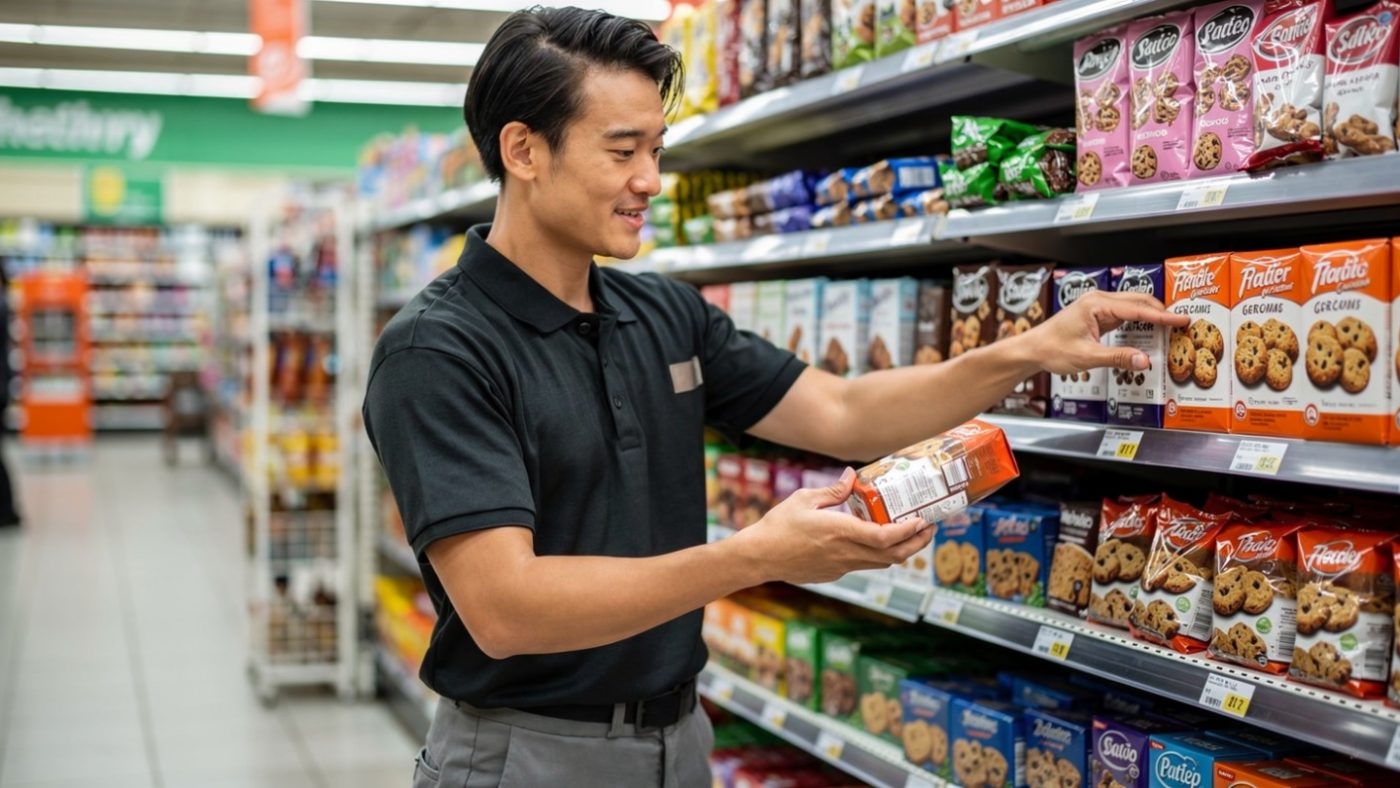
Drivers create much of the data that powers delivery visibility. If the driver workflow feels confusing or slow, the business will receive incomplete information. A dashboard alone cannot fix this. The field process must support drivers during real work.
A strong driver workflow should feel direct and practical. The driver should know which customer to visit, what products to deliver, what stock is available, and what tasks must be completed. During the visit, the driver should be able to count items, record credits, add notes, complete billing, and close the stop.
Mobile tools help because they capture information while the work happens. If drivers wait until the end of the day, they may forget details. Paper notes can also create extra work for the back office. Chat messages help with quick communication, but they do not create structured delivery records.
Distributal supports this type of field workflow for distributor teams. The app helps drivers manage service account visits, delivery item counts, credit tasks, billing, and checkout. This gives managers better delivery visibility because the field activity connects directly to the operational record.
When drivers follow a clear workflow, the business gets cleaner data. Cleaner data leads to better decisions, fewer disputes, and stronger customer service.
Why Inventory Visibility Belongs Inside Delivery Visibility
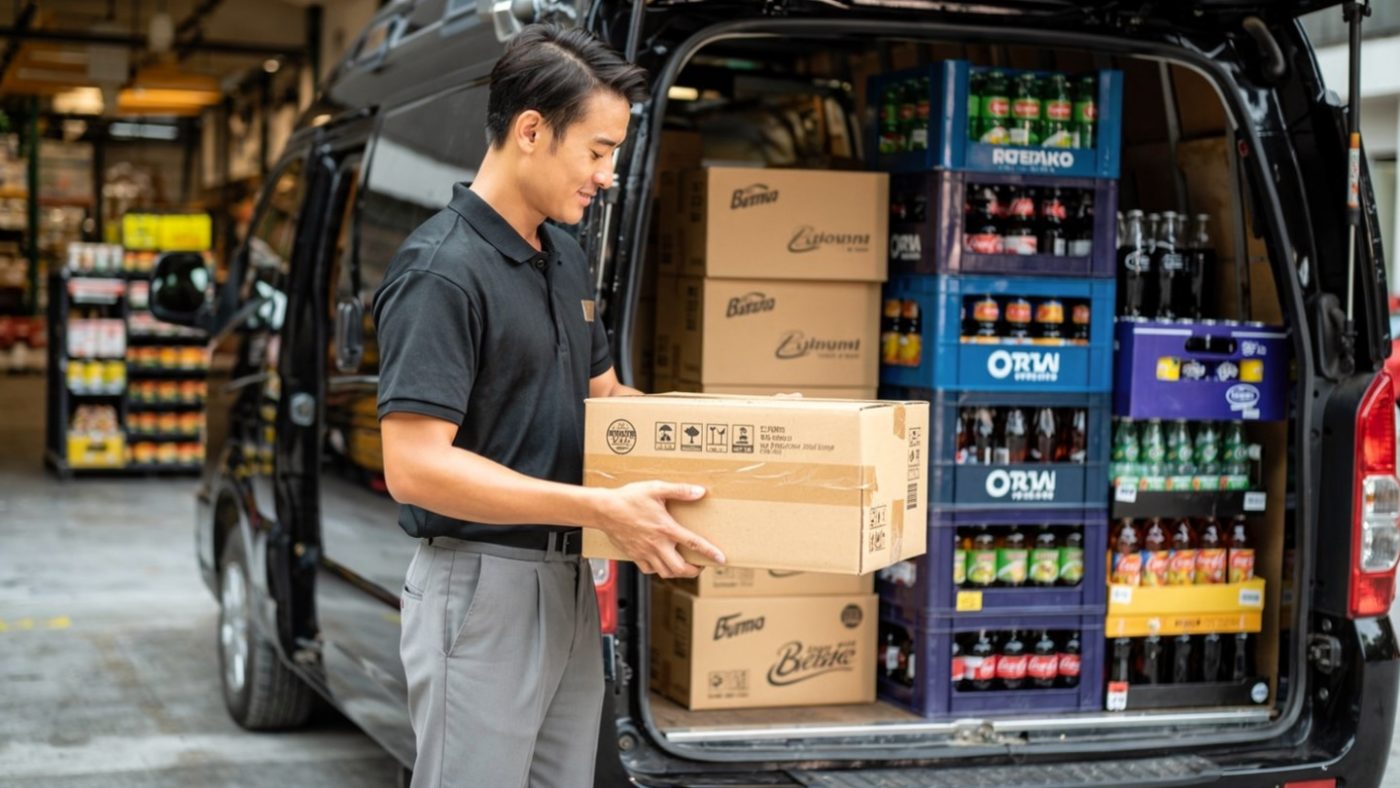
Inventory visibility plays a major role in delivery performance. A delivery can only succeed if the right stock reaches the right vehicle at the right time. If warehouse stock, vehicle stock, and delivery activity do not connect, managers will struggle to explain missing items or stock mismatches.
For distributors, inventory often moves through several stages. Products begin in the warehouse. The warehouse team transfers them to a vehicle. Drivers deliver some products to customers. Customers may return damaged, expired, or unwanted items. At the end of the route, remaining stock should still match the records.
Each movement affects delivery visibility. If the business only tracks the route, it misses the stock story behind the route. A driver may reach every store on time but still fail to complete deliveries because the vehicle did not have enough stock.
Better inventory visibility helps teams prevent these problems. Managers can review what each vehicle carries. Drivers can understand available stock during the route. Warehouse teams can compare planned transfers with actual movement. Finance teams can connect delivery activity with billing more accurately.
When inventory visibility and delivery visibility work together, the business gains a stronger view of daily performance.
How Technology Helps Improve Delivery Visibility
Technology improves delivery visibility by turning field activity into structured information. Without the right tools, delivery updates often move slowly. A driver calls the office. A manager checks a spreadsheet. A warehouse team searches for stock records. Customer service waits for someone to reply. This process wastes time.
A digital workflow gives every team better access to delivery information. Drivers update tasks from the field. Managers monitor progress during the day. Warehouse teams record vehicle loading. Office teams review invoices and exceptions. Customer service teams answer customers with more confidence.
Technology also reduces duplicate work. If a driver writes something on paper and someone else types it again later, mistakes can happen. A connected delivery system captures the information once and uses it across the workflow.
The Distributal app helps distributors connect key delivery steps in one place. It supports warehouse-to-vehicle transfers, driver order creation, service account visits, delivery tasks, credit tasks, billing, and checkout. This matters because many tools focus only on tracking, while distributors also need visibility into inventory, field service, and billing.
The best delivery technology should make work easier, not harder. It should guide drivers, support managers, and help customers receive clearer answers.
Delivery Visibility Metrics You Should Track
- On-time delivery rate: Track how often drivers complete deliveries within the expected time window.
- Completed stop rate: Measure how many planned customer visits were completed successfully.
- Missed delivery reasons: Record why a delivery failed, such as unavailable stock, customer absence, wrong address, or vehicle issue.
- Average service time per stop: Review how long drivers spend at each customer location.
- Vehicle stock accuracy: Compare expected vehicle inventory with actual vehicle inventory after delivery activity.
- Credit and return frequency: Track how often customers return products or request credits.
- Invoice completion rate: Measure whether billing is completed correctly during the delivery workflow.
- Delivery exception rate: Monitor missing items, partial deliveries, disputes, and failed checkout issues.
- Checkout completion rate: Confirm whether drivers close route activity properly at the end of the day.
How Delivery Visibility Improves Customer Experience
Customers may not see your internal workflow, but they feel the result. When delivery visibility is weak, customers receive unclear updates. They may wait without knowing whether the order is delayed. They may ask about missing products and receive slow answers. They may question invoices because the delivery record is incomplete.
Better delivery visibility creates a more professional customer experience. Customer service teams can answer questions faster. Managers can notice delays earlier. Drivers can record issues at the store. Finance teams can confirm billing details with better accuracy.
Clear communication builds trust. Customers understand that problems can happen. They become more frustrated when nobody can explain what happened. A business that provides accurate updates, even during delays, often protects the customer relationship better than a business that stays silent.
For distributors, service quality depends on consistency. Customers want the right products, clear invoices, accurate credits, and reliable visits. Delivery visibility supports all of these areas. It helps the business provide better service without relying only on memory, manual notes, or scattered messages.
Over time, this can become a competitive advantage. Customers are more likely to trust suppliers that communicate clearly and solve delivery issues quickly.
Conclusion
Delivery visibility means more than watching a vehicle on a map. For distributors and direct store delivery teams, it means seeing the full delivery workflow. This includes warehouse-to-vehicle transfers, vehicle inventory, route progress, customer visits, delivery counts, credit items, billing, and checkout.
A business with weak visibility spends too much time reacting. Managers chase updates. Drivers answer repeated calls. Warehouse teams investigate stock gaps. Customer service teams struggle to respond. Finance teams fix invoice mistakes after the fact.
A business with strong delivery visibility works with better control. Managers see issues earlier. Drivers follow clearer workflows. Warehouse teams track stock movement more accurately. Customers receive better answers. Billing becomes easier to review.
Tools like the Distributal app can help distributors improve delivery visibility by connecting field delivery tasks, inventory movement, credits, billing, and checkout in one practical workflow. For growing delivery businesses, this connected approach creates stronger operations and a better customer experience.
References
- Gartner — Real-Time Transportation Visibility Platforms: https://www.gartner.com/reviews/market/real-time-transportation-visibility-platforms
Gartner describes real-time transportation visibility platforms as tools that provide location and status insights into orders. - McKinsey & Company — Supply chains: Still vulnerable: https://www.mckinsey.com/capabilities/operations/our-insights/supply-chain-risk-survey-2024
McKinsey discusses ongoing supply chain risks and the need for stronger visibility, resilience, and risk management.
Get Started with Distributal Today
Ready to streamline your field operations? Experience the speed of mobile-first invoicing and real-time inventory management yourself. The Distributal app is now available for download on all major platforms
