

The last-mile delivery sector has evolved into a hyper-competitive landscape. Today, speed, precision, and cost-efficiency dictate business survival. For fleet managers and distribution business owners, the core of this operation rests entirely on the delivery workforce. However, successfully managing delivery drivers requires a delicate balance. Managers must balance strict performance standards with supportive human resource practices. Consequently, when drivers are unoptimized or poorly tracked, the ripple effects quickly damage customer satisfaction and drain profit margins.
Fortunately, implementing structured management protocols converts a chaotic logistics chain into a predictable asset. Modern last-mile logistics demands a permanent shift from reactive problem-solving to proactive operational design. Therefore, managers must move away from manual tracking methods. Instead, they should embrace automated infrastructure that supports drivers directly in the field. By refining every touchpoint from onboarding to real-time navigation, companies can drastically lower turnover rates. Ultimately, these targeted adjustments will completely eliminate shipping inaccuracies.
The Strategic Importance of Managing Delivery Drivers
Every delivery driver serves as the physical extension of your brand. Therefore, they act as the primary human touchpoint between a business and its clientele. In direct-store delivery models, the driver is far more than a simple cargo carrier. For instance, they interface directly with receiving managers, navigate complex drop-off zones, and handle sensitive inventory documentation on the ground. As a result, poor driver performance or structural communication breakdowns will directly undermine expensive sales and marketing efforts.
Furthermore, mastering the core methodologies of managing delivery drivers directly mitigates common bottlenecks in modern supply chains. When mobile teams lack structured oversight, businesses experience massive revenue leakage due to fuel waste and excessive engine idling. Unplanned route deviations also contribute heavily to these losses. Conversely, clear driver management strategies foster a culture of accountability and precision. Field operators perform at their highest levels when they understand their daily expectations and possess the precise digital tools required for the job.
Designing a Modern Communication Framework
Traditional communication models in logistics rely heavily on cellular phone calls and fragmented text messages. Unfortunately, these outdated methods introduce unnecessary risk into daily operations. When dispatchers must call a driver to update an order, they create dangerous distractions. Furthermore, these manual touchpoints waste critical administrative time. For this reason, a modernized logistics network replaces manual check-ins with centralized, automated data loops. These loops successfully sync field activities with the home office without requiring manual interventions.
Utilizing the Distributal app allows logistics teams to orchestrate complex fleet updates through an integrated dashboard. This system pushes data straight to a driver’s smartphone instantly. Moreover, this mobile-first infrastructure removes communication friction by transmitting delivery alterations and customer notes directly to the field. When drivers receive automated alerts instead of chaotic phone calls, they maintain their focus on the road. Consequently, they execute drop-offs with significantly higher accuracy. This transition to digitized data streams creates a reliable, transparent operational record that protects both the employee and the business.
Optimizing Routing Mechanics for Maximum Efficiency
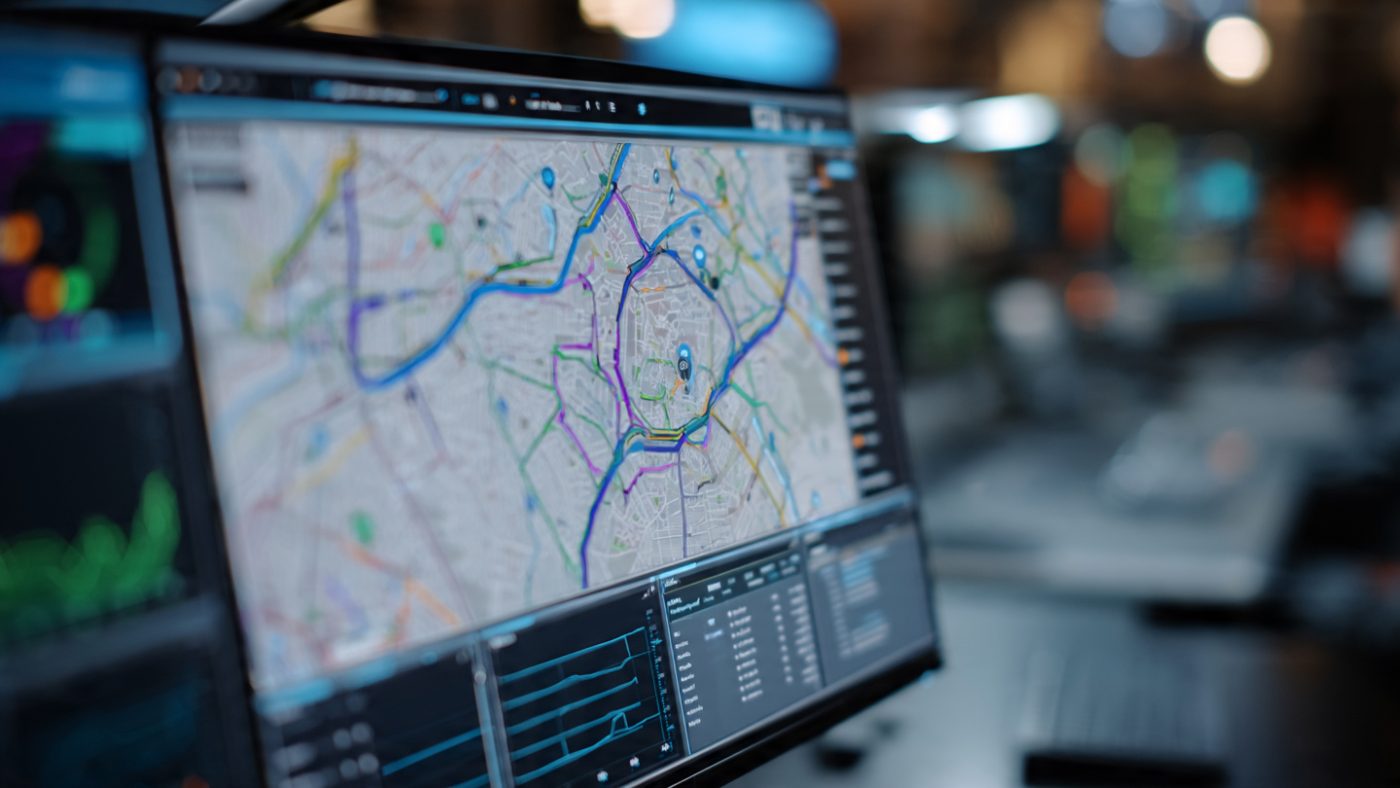
Static routing plans and legacy navigation units fail to account for real-time variables. Traffic congestion, sudden accidents, and construction zones can quickly disrupt transportation networks. Furthermore, shifting customer delivery windows can turn a profitable delivery route into an expensive logistical failure. To counteract these variables, distribution managers must implement dynamic route optimization software. This technology evaluates live road conditions and immediately calculates the lowest possible mileage sequences.
In addition, integrating real-time routing engines cuts unnecessary mileage and reduces vehicle wear and tear. This practice also minimizes greenhouse gas emissions across the entire fleet. Field teams navigate their territories with confidence because their navigation paths automatically adapt to unexpected gridlock. The Distributal app addresses these exact routing vulnerabilities by providing continuous, live tracking features. It overlays driver locations directly onto interactive management maps. This real-time visibility enables dispatchers to assign incoming pick-up requests to the nearest available driver, maximizing asset utilization.
Prioritizing Driver Training and Safety Culture
A fleet is only as reliable as the safety habits of its individual operators. Therefore, continuous driver education is a non-negotiable pillar of logistics management. Aggressive driving behaviors such as rapid acceleration, harsh braking, and speeding pose severe legal risks. Additionally, these poor habits cause sharp spikes in fuel consumption and premature mechanical failures. Establishing a comprehensive onboarding program combined with regular defensive driving courses builds a resilient protective barrier around your mobile assets.
Modern telematics systems play an instrumental role in shaping safe driving habits by monitoring vehicle metrics continuously. Fleet managers can transform this behavioral data into a powerful educational tool rather than a purely punitive mechanism. For example, sharing objective driving reports with employees helps them pinpoint specific operational habits that need refinement. This collaborative approach creates an environment focused on shared safety standards. Ultimately, cultivating a workplace culture that explicitly rewards safe vehicle operation ensures drivers feel supported, protected, and highly valued by leadership.
Implementing Fair and Transparent Performance Metrics
Evaluating a mobile workforce requires concrete, unbiased data that reflects actual challenges on the open road. Relying on subjective feedback or incomplete logs to evaluate driver performance breeds resentment. Furthermore, it fosters a toxic workplace culture over time. Managers must instead implement clear key performance indicators that track core operational metrics. For instance, they should measure on-time delivery percentages, customer satisfaction scores, and accurate manifest completions.
Crucially, the collection of these metrics must be completely transparent, allowing drivers to view their own performance trends in real time. When drivers understand exactly how their bonuses are calculated, their intrinsic motivation increases dramatically. Digital dispatch tools streamline this evaluation process by automatically logging arrival and departure times at every drop-off location. Ultimately, providing drivers with unambiguous proof of their hard work eliminates back-office favoritism and fosters healthy competition.
Streamlining Field Operations and Mobile Invoicing
The daily responsibilities of a distribution driver extend far beyond steering a vehicle along a specific navigation path. Drivers must also manage complex physical manifests and verify inventory levels upon arrival. In addition, they must document damaged goods and secure authorized customer signatures. Forcing field employees to manage these administrative tasks using paper invoices introduces critical transcription errors. It also delays back-office accounting cycles significantly.
Transitioning to a mobile-first digital workflow completely transforms field operations. Indeed, it turns the driver’s phone into a powerful point-of-sale terminal. The Distributal app simplifies complex field administration by combining mobile invoicing and digital proof-of-delivery capture into a single platform. When a driver completes a delivery, the app updates inventory balances instantly and generates a precise digital invoice. This automation drastically reduces administrative stress for the driver while protecting the company from revenue leakage.
Cultivating Long-Term Driver Retention Strategies
The logistics sector faces persistent challenges with high employee turnover rates. This issue introduces heavy financial burdens relating to continuous recruitment and training. Drivers often abandon fleet positions due to unpredictable schedules. Alternatively, they burn out from administrative burdens or feel disconnected from corporate support teams. Combating this industry-wide challenge requires a deliberate focus on creating a sustainable, predictable, and supportive work environment.
- Maintain Predictable Scheduling Patterns: Providing consistent shift patterns and clear cut-off times allows drivers to maintain a healthy balance between their professional duties and their personal lives.
- Equip Fleets with Intuitive Software: Supplying drivers with modern, glitch-free mobile applications reduces daily operational friction and eliminates frustrating back-office communication errors.
- Build Transparent Incentive Programs: Structuring monetary bonuses around safe driving habits and high on-time delivery rates gives drivers a direct financial stake in the company’s operational success.
- Provide Comfortable and Safe Equipment: Maintaining standard preventative maintenance schedules ensures that vehicles remain clean, mechanically sound, and safe to operate throughout long shifts.
Enhancing Customer Transparency with Automated Tracking

Modern retail partners and consumer clients expect full visibility into their supply chains. Consequently, vague, multi-hour delivery windows have become completely obsolete. When customers are left wondering when their freight will arrive, they flood customer support lines with inquiries. This lack of transparency also causes severe operational disruption at their own loading docks. Therefore, providing precise, real-time updates is no longer an optional premium service; rather, it is a baseline competitive requirement.
- Deploy Dynamic Geofencing Boundaries: Setting up digital boundaries around customer locations triggers automated alerts via SMS or email the moment a delivery vehicle approaches the drop-off zone.
- Provide Real-Time Countdown ETAs: Shifting from broad morning or afternoon windows to live, updating countdown timers gives receiving managers the exact minute their freight will hit the dock.
- Share Live Map Visuals: Offering secure, temporary tracking links allows clients to monitor the physical progress of their delivery truck as it maneuvers through traffic toward their business.
- Automate Digital Proof of Delivery: Sending signed, timestamped electronic invoices immediately upon delivery confirmation eliminates disputes and builds trust with retail clients.
Leveraging Fleet Analytics for Continuous Improvement
Successful driver management is an iterative process that relies on long-term data trends. These trends help uncover systemic inefficiencies within a logistics network. Reviewing isolated daily delivery issues often leads to shortsighted corrections. Unfortunately, these quick fixes fail to address the root causes of systemic operational delays. By aggregating weeks of fleet data, distribution managers can identify underperforming routes and chronic customer delays.
Analyzing data patterns helps logistics teams optimize territories and adjust standard delivery windows. It also allows them to predict vehicle maintenance issues before they cause costly breakdowns. This analytical approach transforms driver management from a series of daily fires into an optimized business model. Furthermore, utilizing a unified digital dashboard allows managers to compare historical driver benchmarks against current fleet averages with total clarity. Embracing this data-driven strategy ensures distribution networks remain agile, resilient, and fully equipped to scale.
References
- Inbound Logistics: A trusted industry journal covering supply chain strategies, direct-store delivery optimization, and fleet management methodologies.
- Journal of Business Logistics: A peer-reviewed publication providing deep analytical research into last-mile delivery efficiency and fleet labor retention trends.
Get Started with Distributal Today
Ready to streamline your field operations? Experience the speed of mobile-first invoicing and real-time inventory management yourself. The Distributal app is now available for download on all major platforms
