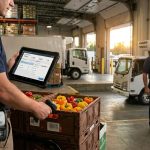
In the world of supply chain management, speed is everything. Efficiency drives profitability. For companies selling fast-moving consumer goods (FMCG), traditional models are often too slow. Products usually sit in a warehouse before reaching shelves. This delay is costly. This is where DSD distribution becomes a vital strategy. Direct Store Delivery bypasses the central warehouse. The manufacturer or distributor delivers products directly to the retail store.
This model is essential for products with short shelf lives. It is perfect for dairy, fresh produce, and snacks. By removing the middle step, products stay fresh. Companies can ensure shelves are always stocked. In this guide, we explore the mechanics of the industry. We will look at its strategic advantages. We will also see how the Distributal app is changing the way field teams work.
Understanding the Core Mechanics of Logistics

Direct Store Delivery differs from centralized distribution. In a centralized system, goods go to a retailer’s warehouse first. Then, the retailer delivers them to stores. The DSD distribution model is different. It places all responsibility on the distributor. The truck acts as a mobile warehouse. It travels a specific route to service many stores in one day.
The delivery driver does more than drop off boxes. They check existing stock levels. They remove expired or damaged items. They also place new orders based on real-time demand. The distributor is in the store frequently. This allows them to react fast to consumer trends. This hands-on approach creates a tight loop. It ensures the supply chain remains agile and responsive.
The Financial Benefits for Modern Retailers
Retailers prefer DSD distribution for specific products. It reduces their operational costs and labor. The retailer does not need warehouse space for these items. They do not need staff to move goods from a center to the store. The distributor handles transportation and stocking. This saves the retailer money. It allows store staff to focus on customer service instead of heavy lifting.
Direct delivery also boosts sales. It ensures better “on-shelf availability.” Distributors are experts in their specific product lines. They make sure products are displayed correctly. They monitor the “share of shelf” constantly. For the retailer, this means fewer missed sales. It creates a better experience for the customer. This partnership helps both the distributor and the retailer succeed.
Overcoming Operational Challenges in the Field
This model offers many benefits but is complex to manage. Logistics managers must coordinate many vehicles. They have to optimize delivery routes. They also manage a workforce that is always moving. Communication is a major hurdle. It is hard to know what was sold in real-time. Without the right tools, paperwork piles up. This leads to manual errors and slow invoicing.
Forward-thinking distributors use mobile-first solutions like Distributal. This app is built for DSD distribution teams. It allows drivers to manage everything from a smartphone. It integrates invoicing and inventory tracking. It also handles delivery management in one place. This digital change removes the need for paper. It lets field teams focus on the customer. They no longer get stuck doing slow office work.
The Role of Mobile Technology in Field Service
Mobile technology has changed the DSD distribution sector. In the past, drivers used heavy and expensive computers. These were hard to update and broke easily. Today, smartphones are very powerful. They offer more computing power than old office systems. This shift helps small and mid-sized distributors. They can now use professional tools at a low cost.
Modern apps allow for instant data sync. A warehouse manager can see sales as they happen. This transparency is vital for inventory accuracy. It tracks stock in the warehouse and on the truck. When field technology is used, it bridges the gap. It creates a smooth flow of information. It reduces errors and speeds up the billing cycle. Creating and printing an invoice on-site changes the game for cash flow.
Inventory Management Strategies for DSD Distribution Teams
- Real-Time Stock Tracking: Track inventory as it moves from the warehouse to the trucks.
- Truck-to-Warehouse Reconciliation: Compare remaining truck stock with daily sales to find errors.
- Automated Reordering: Set levels for high-turnover items to refill trucks automatically each morning.
- Return and Damage Processing: Use Distributal to log damaged goods and adjust inventory counts immediately.
- Batch and Lot Tracking: Sell perishable items using “First-In, First-Out” (FIFO) to maximize freshness.
Enhancing Customer Relationships Through Direct Service
In the DSD distribution model, the driver is the face of the company. They are not just a freight carrier. They interact with store managers every day. This frequent contact builds strong relationships. They become trusted advisors to the store. They can suggest new products and get better shelf space. This “boots on the ground” approach is a major competitive advantage.
Digital tools make these interactions more professional. When a distributor uses Distributal, they provide clear documents. They offer accurate pricing instantly. This shows the retailer that the distributor is organized. Fast and error-free work builds trust. In wholesale, trust leads to long-term contracts. Technology transforms a delivery team into a powerful sales force.
Critical Software Features for Success
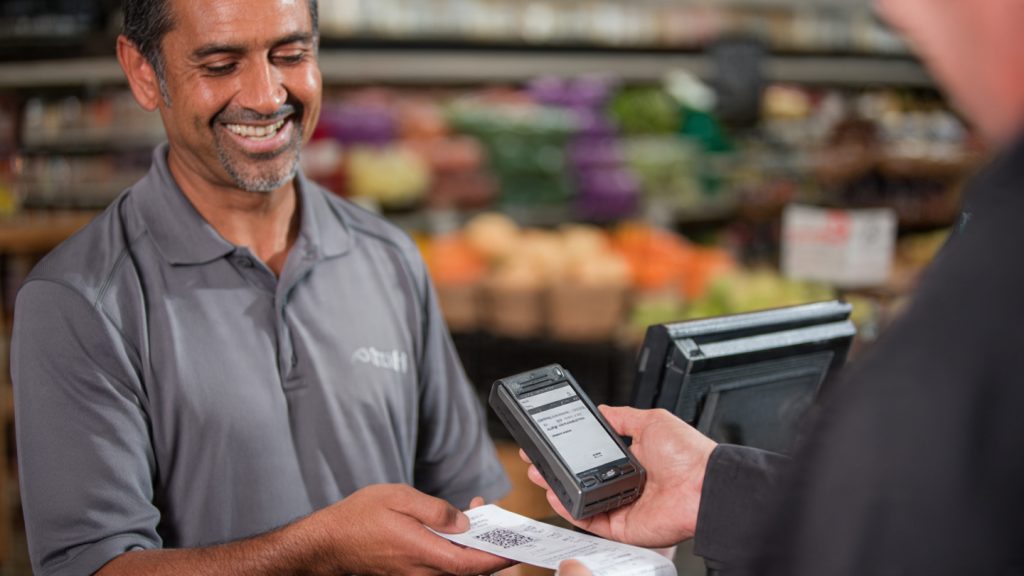
- Offline Functionality: The app must work in basements or remote areas without internet.
- Integrated Printing Support: Support for Zebra and 58mm Bluetooth printers for instant receipts.
- Route Optimization: Tools to help drivers plan the fastest path to save fuel.
- Digital Signature Capture: Allow retailers to sign on a phone screen for proof of delivery.
- Credit Memo Creation: Issue credits for returns on-site so the invoice matches the goods.
Optimizing the Route Accounting Process
Route accounting is the brain of a DSD distribution operation. It covers everything from orders to payment. In a manual system, reconciliation takes hours. Drivers have to check cash and invoices at the end of the day. This is exhausting and leads to mistakes. Modern strategies use automation. Digitizing transactions at the point of sale makes settlement automatic.
An all-in-one workflow makes the business more efficient. It handles invoices, inventory, and returns in one system. This reduces administrative work. It allows DSD distribution businesses to scale quickly. Managing fifty trucks becomes as easy as managing one. Mobile-first design keeps the business lean. It ensures the team is always ready for new retail partners.
DSD distribution is the best way to manage high-velocity retail. The logistical demands are high, but the rewards are worth it. It builds customer loyalty and increases shelf presence. The retail landscape is always changing. Successful businesses will use both personal service and mobile technology. Tools like Distributal keep field teams ready for the modern market. Being on the ground is the best way to stay ahead.
References
- Inbound Logistics – DSD: The Direct Route to Success: A look at how DSD impacts the supply chain and benefits retailers.
- Journal of Business Logistics – Efficiency in Last-Mile Delivery: A study on why DSD is best for perishable and high-turnover goods.
Get Started with Distributal Today
Ready to streamline your field operations? Experience the speed of mobile-first invoicing and real-time inventory management yourself. The Distributal app is now available for download on all major platforms