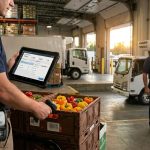
The foodservice industry operates on razor-thin margins. Timing is a fundamental requirement for survival, not just a convenience. Consumer expectations are now at an all-time high. Because of this, monitoring assets in motion is a baseline necessity. Real-time fleet tracking provides the visibility needed to manage complex delivery schedules. It helps maintain strict temperature controls throughout the journey. This technology ensures the link between warehouse and kitchen remains unbroken. By using the Distributal app, foodservice providers gain total control over daily operations.
The Evolution of Logistics in Food Distribution
For decades, food distribution relied on manual logs and radio check-ins. Dispatchers often hoped that traffic or mechanical failures would not derail progress. This traditional approach created “dark periods” in the supply chain. Managers had no idea where a vehicle was located during these times. Modern logistics now favor models like DSD distribution to move goods faster. This direct-to-store approach requires perfect synchronization to be effective. Digital transformation has finally replaced guesswork with precise data. Managers can now see every turn and idle moment of their trucks.
Enhancing Operational Efficiency Through Visibility
Efficiency means doing more with fewer resources. Service standards must remain high during this process. Managers can now see the entire fleet on one dashboard. This allows for dynamic decisions that save labor and miles. Real-time tracking identifies bottlenecks immediately. For example, it flags drivers spending too much time at a loading dock. It also highlights routes that face consistent congestion. By using the Distributal app, companies streamline their communications. Data flows seamlessly from the driver to the office. This removes the need for redundant phone calls.
Safeguarding Perishable Goods with Temperature Monitoring
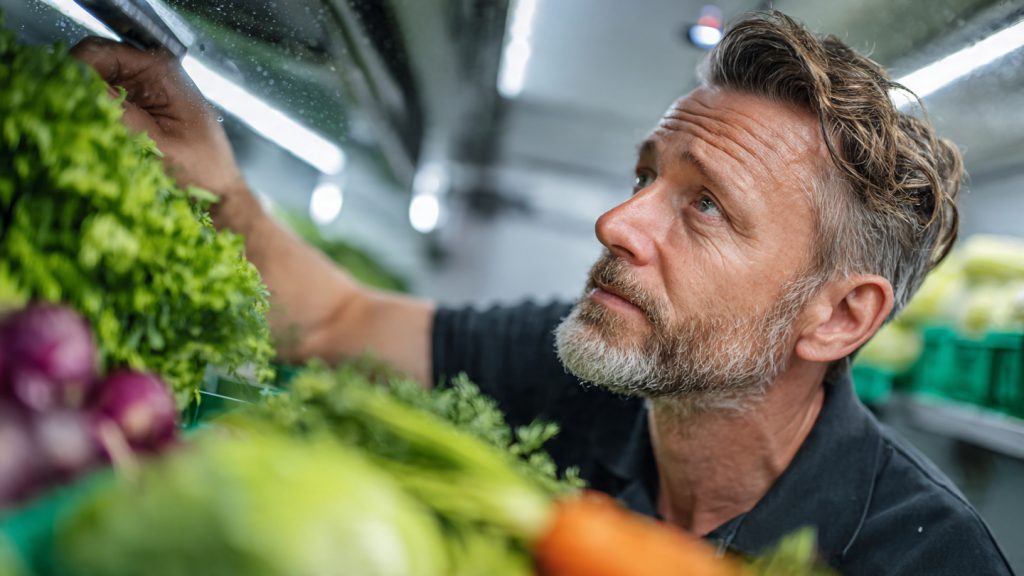
Cold chain maintenance is a critical part of foodservice logistics. A few degrees of variance can cause total inventory loss. Spoilage is a constant risk that must be managed. Modern tracking systems do more than just monitor location. They integrate with sensors to provide live climate updates. If a refrigeration unit fails, the system triggers an alert. This also happens if a door is left open too long. This proactive approach ensures compliance with health regulations. It protects the distributor’s reputation against foodborne illness risks.
Key Technical Components of Tracking Systems
Many technologies work together to provide a full view of the fleet. A standard setup involves several integrated tools. These devices gather and analyze data for the management team.
- GPS Satellite Receivers: These provide precise coordinates, speed, and direction for every vehicle.
- On-Board Diagnostics (OBD-II): This hardware connects to the engine to monitor fuel and health.
- Telematics Software: This central hub processes data and allows managers to run reports.
- Mobile Interfaces: The Distributal app lets drivers receive route updates and upload proof of delivery.
- IoT Temperature Sensors: These wireless probes transmit constant climate data to the cloud.
Optimizing Routes to Reduce Fuel Consumption
Fuel is a massive expense for foodservice fleets. Real-time tracking enables sophisticated route optimization. This software accounts for traffic, weather, and delivery windows. Drivers can be rerouted on the fly to avoid unexpected delays. This reduction in mileage translates directly to lower fuel costs. It also results in a smaller carbon footprint for the company. Tracking systems also identify inefficient driving habits. Excessive idling and aggressive acceleration are major contributors to waste. Correcting these behaviors saves significant money over time.
Improving the Customer Experience and Transparency
B2B clients now expect consumer-level transparency. Restaurant owners need to know exactly when ingredients will arrive. This allows them to prep kitchens and schedule staff. Real-time tracking provides accurate Estimated Times of Arrival (ETAs). Distributors can send automated notifications to their clients. Trust builds when a customer knows an order is ten minutes away. This reduces the volume of “where is my order” calls. The business can then focus on growth rather than solving basic problems.
Strengthening Driver Safety and Accountability
Driver safety is a top priority for logistics operations. Foodservice deliveries often involve high-pressure environments. Tracking systems monitor behavior like harsh braking and speeding. This data is used as a tool for coaching and incentives. Programs can reward safe driving instead of just punishing mistakes. Promoting a safety culture reduces the likelihood of accidents. It also helps lower insurance premiums for the fleet. Most importantly, it ensures employees return home safely after every shift.
Strategic Advantages of Implementing Modern Technology

Advanced tracking provides a long-term strategic edge. Companies using these tools can scale their operations more easily. They handle the complexities of modern distribution with confidence. Effective management often involves a complete guide to logistics strategy.
- Data-Driven Decision Making: Managers use historical data to identify the most profitable routes.
- DSD Software Integration: Utilizing specialized DSD software alongside tracking ensures seamless store-level accounting.
- Regulatory Compliance: Automated logs help fleets meet ELD mandates and FSMA requirements.
- Reduced Administrative Burden: The Distributal app eliminates paper invoices and manual entry.
- Top 10 DSD Software Options: Choosing from the top 10 DSD software for food distribution helps businesses find the right fit for their specific scale.
Reducing Waste and Improving Sustainability
The foodservice industry faces pressure to operate sustainably. Food waste is a major global issue today. Much of this waste occurs during the transportation phase. Fleet tracking helps reduce the food sent to landfills. It ensures on-time deliveries and stable temperatures. Efficiency gains in routing also lead to fewer carbon emissions. A robust tracking solution is a step toward a greener chain. This proves that environmental health supports the bottom line.
References
- Food Logistics Magazine: An industry publication covering telematics and cold chain technology trends in the food supply chain.
- The Federal Motor Carrier Safety Administration (FMCSA): Provides official safety data and guidelines for commercial vehicle tracking and electronic logging.
Get Started with Distributal Today
Ready to streamline your field operations? Experience the speed of mobile-first invoicing and real-time inventory management yourself. The Distributal app is now available for download on all major platforms