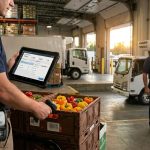
In 2026, the logistics and distribution landscape is undergoing a structural shift driven by digital transformation, rising customer expectations, and increasingly complex supply chains. At the center of this evolution is delivery scheduling software a critical system that enables businesses to coordinate routes, manage field teams, optimize delivery timelines, and maintain operational visibility in real time. For distribution businesses, especially those operating in direct store delivery (DSD), wholesale supply, and field sales environments, the ability to schedule and execute deliveries efficiently is no longer optional. It is a core competitive advantage. Companies that rely on outdated processes such as manual scheduling, spreadsheets, or fragmented systems are rapidly falling behind. This article explores the most important delivery scheduling software trends shaping 2026, offering insights into how businesses can adapt, scale, and remain resilient in an increasingly mobile and data-driven environment.
The Shift Toward Mobile-First Delivery Scheduling Software
One of the most significant trends in 2026 is the transition from desktop-based systems to mobile-first delivery scheduling software. Traditional logistics platforms were designed for back-office teams, requiring centralized control and limited field interaction. However, modern distribution operations demand flexibility, speed, and real-time decision-making directly at the point of delivery.
Mobile-first platforms empower drivers and field sales representatives to manage schedules, update delivery statuses, and handle transactions directly from their smartphones. This eliminates the need for constant communication with headquarters and reduces delays caused by manual coordination. The result is a more agile operation where decisions are made closer to the customer. Businesses adopting mobile-first delivery scheduling software are experiencing faster execution, improved accuracy, and greater accountability across their delivery networks.
Offline Functionality Becomes a Standard Requirement
As delivery operations expand into areas with inconsistent connectivity, offline capability has become a defining feature of modern delivery scheduling software. In 2026, systems that cannot function without internet access are increasingly considered inadequate for real-world distribution environments. Offline-ready software allows field teams to continue scheduling deliveries, creating invoices, updating inventory, and recording transactions even in low-signal or remote areas. Once connectivity is restored, data is automatically synchronized with central systems, ensuring continuity without compromising data integrity. This capability is particularly critical in emerging markets and rural distribution networks, where connectivity challenges are common. Businesses that invest in offline-enabled delivery scheduling software gain operational resilience and eliminate disruptions caused by network dependency.
Integration of Delivery Scheduling with Inventory and Sales Systems
Another major trend is the convergence of delivery scheduling software with inventory management and sales workflows. Historically, these functions were handled by separate systems, leading to inefficiencies, data silos, and increased risk of errors. In 2026, businesses are prioritizing unified platforms that allow delivery scheduling, stock management, and sales transactions to operate within a single ecosystem. This integration ensures that delivery plans are always aligned with actual inventory levels and customer orders.
For example, when a delivery is scheduled, the system automatically verifies stock availability, updates inventory levels, and reflects the transaction in sales records. This eliminates discrepancies between planned and executed deliveries, reducing returns, stockouts, and operational friction. Solutions like Distributal exemplify this trend by combining scheduling, invoicing, inventory tracking, and delivery workflows into a cohesive mobile experience, allowing field teams to operate with greater efficiency and accuracy without relying on multiple disconnected tools.
Real-Time Data and Predictive Scheduling
Real-time data has become the backbone of modern delivery scheduling software. In 2026, businesses are no longer satisfied with static schedules created at the start of the day. Instead, they require dynamic systems that adapt to changing conditions such as traffic, order changes, and unexpected delays.
Advanced delivery scheduling platforms now incorporate predictive analytics to optimize routes and schedules continuously. By analyzing historical data, delivery patterns, and external factors, these systems can forecast demand, suggest optimal delivery windows, and proactively adjust schedules to minimize disruptions.
This shift toward predictive scheduling enables businesses to improve on-time delivery rates, reduce fuel costs, and enhance overall customer satisfaction. It also empowers managers with actionable insights, allowing them to make data-driven decisions rather than relying on intuition or outdated reports.
Automation of Routine Scheduling Tasks
Automation is playing an increasingly important role in delivery scheduling software. In 2026, businesses are leveraging automation to reduce manual workload and eliminate repetitive tasks that consume valuable time. Automated scheduling systems can assign deliveries to drivers based on predefined criteria such as location, capacity, priority, and availability. They can also generate optimized routes, allocate inventory, and trigger notifications without human intervention.
This not only improves efficiency but also reduces the likelihood of human error. Automated workflows ensure consistency across operations, allowing businesses to scale without significantly increasing administrative overhead. As automation becomes more sophisticated, delivery scheduling software is evolving from a passive tool into an active operational engine that drives efficiency across the entire distribution process.
Enhanced User Experience for Field Teams
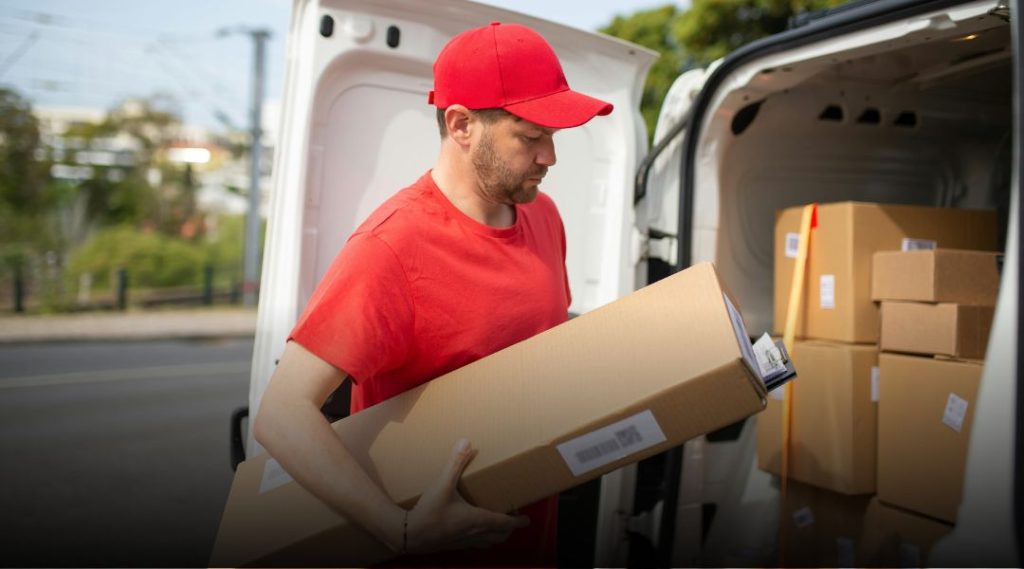
User experience has emerged as a critical factor in the adoption of delivery scheduling software. In many distribution businesses, field teams include drivers and staff who may not have advanced technical skills. Complex interfaces and difficult workflows can hinder adoption and reduce productivity. In 2026, leading software solutions are prioritizing simplicity and usability. Interfaces are designed to be intuitive, with clear navigation, minimal steps, and fast execution. Tasks such as creating invoices, updating delivery statuses, and managing inventory can be completed in seconds.
This focus on user experience ensures that field teams can operate efficiently without extensive training. It also reduces resistance to digital transformation, enabling businesses to implement new systems more smoothly. Mobile-first platforms that are designed specifically for real-world usage rather than adapted from desktop systems are setting new standards in usability and performance.
Seamless Integration with Printing and Hardware
Despite the digital transformation of logistics, physical documentation remains an essential part of many delivery operations. Invoices, receipts, and proof of delivery are still required in various industries and regions. Delivery scheduling software in 2026 is increasingly integrated with portable printing devices, allowing field teams to generate and print documents instantly on-site. This capability enhances professionalism, improves customer trust, and ensures compliance with business requirements. Modern systems support a wide range of printers, including specialized mobile devices, enabling businesses to adapt their hardware infrastructure without significant constraints. The ability to create and print documents in real time directly from a mobile app is becoming a standard expectation.
Increased Focus on Scalability for Growing Businesses
As distribution businesses grow, their operational complexity increases significantly. Delivery scheduling software must be able to scale alongside the business, accommodating larger volumes, more routes, and expanding teams. In 2026, scalability is a key consideration when selecting software. Businesses are looking for solutions that can support their growth without requiring frequent system changes or costly upgrades.
Scalable delivery scheduling platforms offer flexible architectures, allowing businesses to add users, expand coverage areas, and integrate additional functionalities as needed. This ensures long-term sustainability and reduces the risk of operational bottlenecks. For small and mid-sized distributors, choosing scalable software is particularly important, as it enables them to compete with larger players without investing in overly complex systems.
Data Synchronization and Cloud Connectivity
Cloud technology continues to play a central role in delivery scheduling software. In 2026, seamless data synchronization between field operations and central systems is essential for maintaining visibility and control. Modern platforms ensure that all data including delivery schedules, inventory updates, and sales transactions is synchronized in real time or near real time. This allows managers to monitor operations, track performance, and respond to issues promptly.
At the same time, hybrid models that combine cloud connectivity with offline functionality are gaining popularity. These systems provide the best of both worlds, ensuring reliability in all conditions while maintaining centralized data management. The ability to access accurate, up-to-date information from anywhere is a critical advantage for businesses operating in fast-paced distribution environments.
Sustainability and Route Optimization
Sustainability is becoming an increasingly important consideration in logistics. Delivery scheduling software in 2026 is incorporating features that help businesses reduce their environmental impact while improving efficiency. Route optimization algorithms are designed to minimize travel distance, reduce fuel consumption, and lower carbon emissions. By planning more efficient routes and avoiding unnecessary trips, businesses can achieve both cost savings and sustainability goals. In addition, better scheduling reduces idle time and improves vehicle utilization, further contributing to environmental and operational efficiency. As sustainability becomes a priority for customers and regulators, these capabilities are becoming essential rather than optional.
The Rise of All-in-One Delivery Scheduling Platforms
One of the most transformative trends in 2026 is the shift toward all-in-one platforms that combine multiple functionalities into a single system. Instead of using separate tools for scheduling, inventory, invoicing, and reporting, businesses are adopting integrated solutions that streamline the entire workflow. All-in-one delivery scheduling software reduces complexity, improves data consistency, and enhances operational efficiency. It eliminates the need for multiple integrations and reduces the risk of errors caused by data fragmentation.
Platforms that bring together scheduling, sales, inventory, and delivery management particularly in a mobile-first format are redefining how distribution businesses operate. They enable teams to complete end-to-end workflows without switching between systems, resulting in faster execution and better coordination.
Delivery scheduling software is no longer just a tool for planning routes — it has become a central component of modern distribution operations. In 2026, businesses must adopt systems that are mobile-first, offline-capable, and fully integrated with inventory and sales workflows. Trends such as real-time data, predictive scheduling, automation, and improved user experience are reshaping the industry, enabling businesses to operate more efficiently and respond to changing conditions with greater agility.
References
- Gartner. (2024–2025). Supply Chain Technology Trends and the Future of Logistics. Gartner Research.
- McKinsey & Company. (2023–2025). The Future of Last-Mile Delivery and Logistics Digitalization. McKinsey Insights.
- Deloitte. (2024–2025). Digital Transformation in Supply Chain and Distribution Operations. Deloitte Insights.