
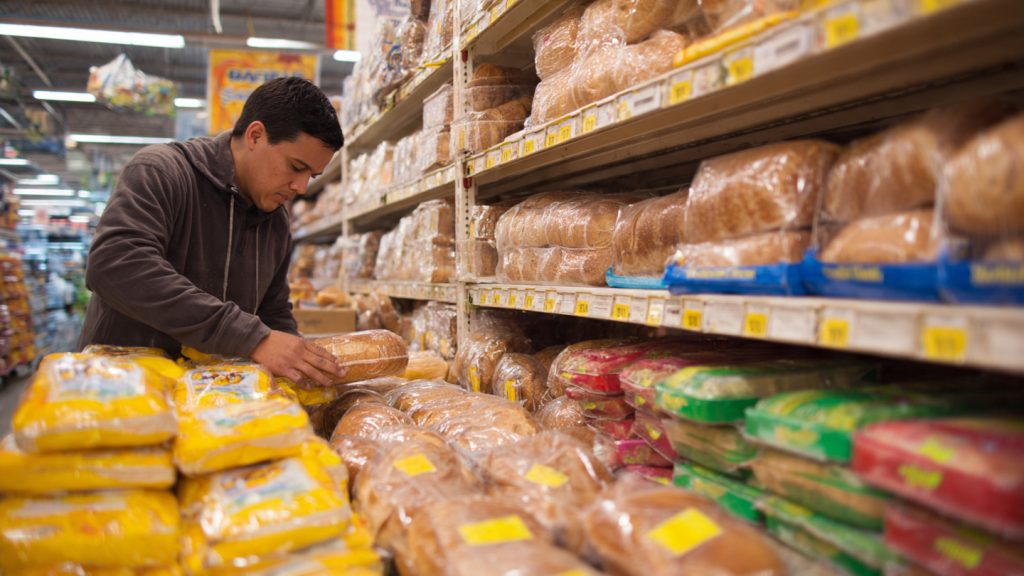
Direct Store Delivery (DSD) is a specialized distribution method. In this model, manufacturers or distributors deliver products directly to retail stores. This process bypasses traditional retail distribution centers entirely. DSD is a cornerstone of the food and beverage industry. It is essential for perishable goods and high-volume snacks. These items often have short shelf lives and require fast turnover. In a modern retail environment, DSD requires speed and accuracy. It also relies on real-time communication. Unlike centralized warehousing, DSD puts the distributor in charge of replenishment. The distributor also handles merchandising and shelf-stocking. This shift in responsibility creates unique challenges for brands. However, it also offers great opportunities to maintain product freshness. By mastering Direct Store Delivery (DSD) practices, businesses can reduce “out-of-stock” scenarios. This ensures consumers always find what they need during their shopping trips.
Understanding the Fundamentals of Direct Store Delivery (DSD)

Direct Store Delivery (DSD) thrives on efficiency through proximity. The supplier acts as the logistics provider. They deliver goods from the production site straight to the store shelf. This model is vital for items that need specialized handling. Examples include temperature-controlled dairy or fragile baked goods. These products might not survive standard warehouse transit. Supplier personnel often place the product on the shelves themselves. This gives them a firsthand view of consumer behavior. They can see inventory turnover in real time. This intimacy allows for very responsive ordering cycles. Traditional methods often suffer from data lags of several days. DSD eliminates these delays by putting the supplier in the aisle.
The complexity of Direct Store Delivery (DSD) comes from its decentralized nature. A distributor must manage many small routes instead of one large shipment. Each stop requires precise documentation and financial work. Modern operations now use digital solutions like the Distributal app. This tool streamlines communication between drivers and the back office. Without a robust system, paperwork can become overwhelming. Human error can quickly erode thin profit margins. Understanding these fundamentals is the first step toward success. You can transform a chaotic route into a profit-generating machine. High-frequency delivery models require this level of organization.
The Strategic Role of Real-Time Inventory Tracking
In DSD, information is just as valuable as the physical product. Real-time inventory tracking provides total visibility. Distributors know exactly what is on every truck at any second. They also see what remains in the warehouse. This visibility prevents the problem of “phantom inventory.” This happens when a system thinks a product is in stock, but the shelf is empty. Drivers use a mobile interface to record every sale. That data should sync immediately with the central database. This transparency helps the production team stay agile. They can see which items are trending and which are stagnating. These insights lead to better manufacturing adjustments. They also minimize waste and maximize freshness for the consumer.
Real-time data also empowers the sales force. Representatives can see historical sales and current stock levels easily. They can use the Distributal app to suggest accurate order quantities. This reduces the risk of overstocking for the retailer. Overstocking often leads to costly returns or “stale” product credits. In a competitive landscape, being reliable builds immense trust. Suppliers who have the right stock levels win over retail partners. Real-time tracking is a strategic necessity for the bottom line. It ensures every mile driven contributes to a verified sale. No business can afford to guess about their inventory levels in the field.
Optimizing Route Accounting for Maximum Efficiency
Route accounting is the backbone of any DSD operation. It covers the entire lifecycle of a delivery. This starts at the warehouse and ends with final reconciliation. Historically, this was a paper-heavy and slow process. It was prone to lost receipts and math errors. Today, digital route accounting changes everything. It automates taxes, discounts, and promotional pricing. A driver can quickly scan items at each location. They generate a digital invoice and capture a signature instantly. This digitization speeds up the entire billing cycle. It improves cash flow and reduces administrative work. Automation makes the entire route more predictable and profitable.
Efficiency also extends to managing “empties” and returns. The beverage industry often deals with reusable crates and canisters. A modern system tracks these assets with high rigor. Drivers can use the Distributal app to log returns and credits. This ensures the customer’s invoice is perfect before the truck leaves. It eliminates the need for annoying invoice corrections later. These corrections often cause friction with retailers. A clean and automated process keeps the focus on growth. Drivers spend less time on paperwork and more time on service. This level of professionalism is expected in modern retail.
Reducing Shrinkage and Spoilage in the DSD Model
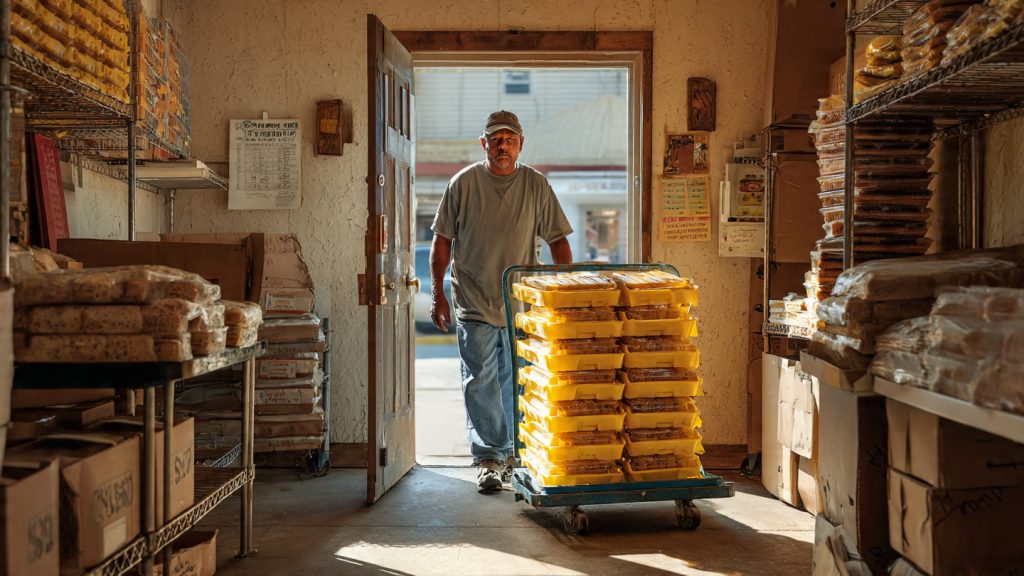
Shrinkage is a major drain on DSD profitability. It includes theft, damage, and product expiration. DSD products often have shorter shelf lives. This means the risk of spoilage is naturally higher. Effective management requires a strict “First-In, First-Out” (FIFO) approach. Delivery personnel must rotate stock during every visit. They also need to monitor expiration dates closely. By doing this, DSD providers can lower their return rates. Modern software flags items that are nearing their end-of-life. The driver can then offer a temporary discount to move the stock. This clears the shelf before the product becomes a total loss.
“Administrative shrink” is another common problem. This happens when truck loads don’t match recorded sales. Hardware and software must work together to stop this. Handheld scanners verify every item during the loading process. This creates a digital trail that discourages internal theft. Using the Distributal app provides a window into these movements. Managers can spot patterns of loss at specific stores. They can also see if certain routes have recurring issues. Every unit must be accounted for from dock to shelf. This protects the margins of the business. It also improves the overall health of the supply chain.
Enhancing Retailer Relationships Through Reliable Service
A DSD program depends on strong relationships. Retailers like DSD because it reduces their labor costs. They do not have to stock the shelves themselves. However, they must trust the supplier to do it right. Suppliers must be consistent and transparent. They need to provide accurate delivery windows. They must also ensure promotional materials are displayed correctly. These steps define a professional DSD service. Consistency builds a preferred partnership with the retailer. A well-stocked shelf is a win for everyone involved. Retail managers appreciate suppliers who make their jobs easier.
Technology plays a major role in these relationships. Distributors use the Distributal app to provide detailed reports. These reports show sales trends and inventory velocity. This shifts the conversation to a collaborative partnership. Retailers want to know how to grow the category. Suppliers can use data to identify fast-selling flavors. This helps the retailer maximize their shelf space. Data-driven insights lead to better shelf positioning. They also lead to more favorable terms for the supplier. Reliability and information are the keys to long-term stability. Modern DSD is about more than just delivering boxes.
Key Benefits of Implementing DSD Technology
- Improved Accuracy: Automated systems stop the human errors of manual math.
- Faster Invoicing: Digital invoices are instant, which speeds up payment cycles.
- Enhanced Visibility: Managers can track the location of every fleet vehicle.
- Reduced Paperwork: Moving to digital saves time and physical storage space.
- Better Data Analytics: Point-of-sale data allows for sophisticated forecasting.
- Increased Productivity: Drivers complete routes faster and add more stops.
- Seamless Integration: Apps like Distributal sync with existing ERP systems easily.
Leveraging Data Analytics for Demand Forecasting
Predicting store needs is a complex puzzle. It is influenced by seasonality and local events. Even the weather can change demand overnight. DSD demand forecasting is decentralized. Data must be gathered from many different routes. Advanced analytics identify patterns that humans might miss. For example, analytics show spikes in water sales before heatwaves. Distributors can then increase stock on their trucks. This proactive approach prevents lost sales opportunities. It keeps the distributor ahead of the competition. Forecasting turns raw data into a competitive advantage.
Modern DSD software makes this analysis very accessible. The Distributal app captures every single transaction. This builds a rich repository of data over time. The production team uses this for manufacturing schedules. They no longer have to guess how many units to make. They look at real-time signals from the retail floor. This creates a “demand-driven” supply chain. It minimizes the capital tied up in extra inventory. Products reaching the consumer stay fresh and appealing. This is the ultimate goal of any DSD strategy. Efficiency at the shelf starts with smart data in the office.
Scaling Your DSD Operations for Future Growth
Growing a DSD business means adding more routes. It also means handling more products and complex rules. Scaling requires a system that grows with you. Standardized processes are essential for every route. Drivers must follow the same protocols for every delivery. This consistency makes training new employees much easier. It ensures the brand image remains professional everywhere. As the fleet grows, centralized management becomes more important. You need tools that handle high data loads. These tools provide a bird’s-eye view of the operation. Scaling without technology often leads to chaos.
A scalable platform like the Distributal app is vital. It ensures technology is never a bottleneck. The need for clear communication stays the same at any size. A scalable system allows for easy territory expansion. You can integrate new product lines with very little friction. It also helps you evaluate which routes are profitable. Some routes may need to be restructured for better results. Focusing on scalability today prepares you for tomorrow. Modern DSD operators must stay prepared for fast changes. Success comes to those who can grow without losing quality.
Best Practices for DSD Inventory Management
- Conduct Regular Audits: Verify truck inventory against digital records often.
- Prioritize Driver Training: Ensure every driver knows the delivery software well.
- Maintain Clean Data: Update product lists and pricing in the system regularly.
- Implement Load Verification: Double-check every truck load at the warehouse dock.
- Monitor Stale Rates: Watch returns to see if the inventory mix is wrong.
- Use Geofencing: Verify that deliveries happen at the correct locations and times.
- Communicate Constantly: Keep an open line between drivers and the back office.
The Future of Direct Store Delivery and Digital Transformation
DSD is moving toward total connectivity. We are seeing the rise of smart shelves in stores. These shelves communicate directly with distributor systems. Autonomous delivery vehicles may also join the fleet soon. However, the core of DSD will not change. It is still about the right product at the right time. Digital transformation is about empowering the human element. It removes the burden of manual record-keeping. Tools like the Distributal app allow staff to focus on selling. They can spend more time building relationships with managers. Technology is a tool for better service, not a replacement.
Consumer expectations for freshness continue to rise. This makes the DSD model more relevant than ever. Brands that master decentralized inventory will win. They have a distinct advantage over slower distribution methods. Embracing modern technology is now a requirement. The shift to digital represents a change in culture. The rewards are worth the effort. You get increased efficiency and higher profitability. Modern DSD operators must stay informed and adaptable. This will help them navigate the challenges of the current market. The future of retail is fast, and DSD is ready.
References
- Gartner Glossary: Direct Store Delivery (DSD): This industry definition explains the shift from centralized warehousing to direct logistics. It emphasizes speed and inventory control.
- Inbound Logistics: The Strategic Advantage of DSD: This resource explores the operational benefits of DSD for the last mile. It highlights its role in maintaining product freshness and brand presence.
Get Started with Distributal Today
Ready to streamline your field operations? Experience the speed of mobile-first invoicing and real-time inventory management yourself. The Distributal app is now available for download on all major platforms
