
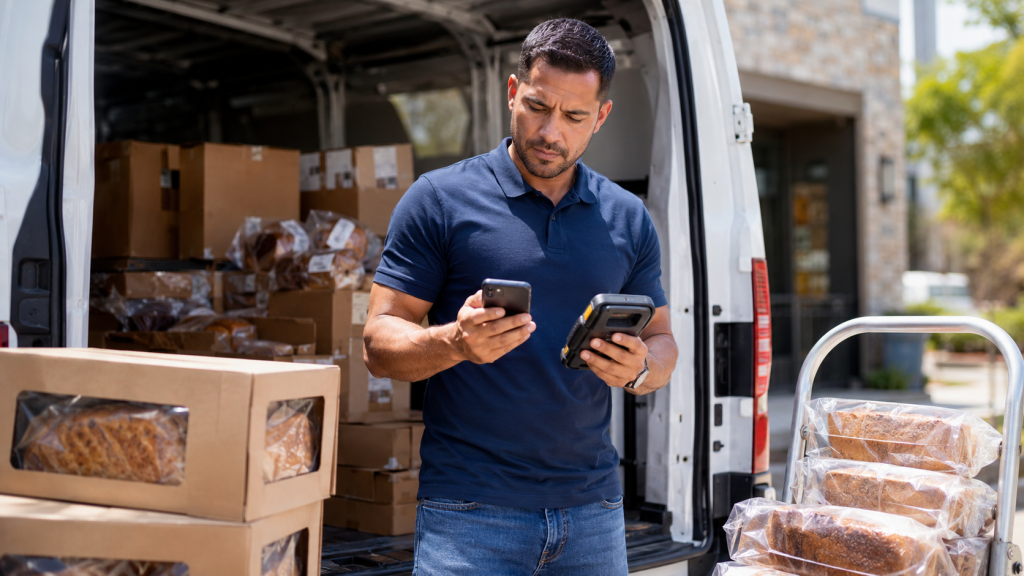
The logistics landscape in 2026 is defined by speed and accuracy. Fleet managers must choose the right technology for their drivers. The debate between Mobile Apps vs Handheld Devices is now more relevant than ever. Complex supply chains require tools that manage manifests and track GPS coordinates effectively. Traditional handheld devices were once the only choice for the road. Now, sophisticated mobile applications offer a flexible and powerful alternative.
Choosing between hardware and software involves more than just price. You must understand lifecycle management and driver ergonomics. This choice impacts driver retention and operational uptime. Large networks and small fleets both face this decision. This article explores the nuances of both options. We will highlight how the Distributal app bridges the gap between functionality and design.
The Evolution of Hardware in Logistics
Professional drivers used to carry bulky, ruggedized handheld computers. These units survived the rigors of the road. They featured integrated scanners and physical keypads. Their batteries lasted through long double shifts. However, consumer smartphone technology advanced quickly. The gap between rugged tools and smart devices began to close. Modern smartphones now boast incredible processing power.
Many companies are now rethinking their hardware investments. The shift toward mobile apps is driven by smartphone ubiquity. Most drivers already own a high-performance device. This trend sparked the “Bring Your Own Device” (BYOD) movement. Companies can now offload hardware costs easily. Drivers use an interface they already understand. Handhelds still have a place in heavy industrial environments. Still, the versatility of the smartphone is hard to ignore.
Key Features of Dedicated Handheld Devices
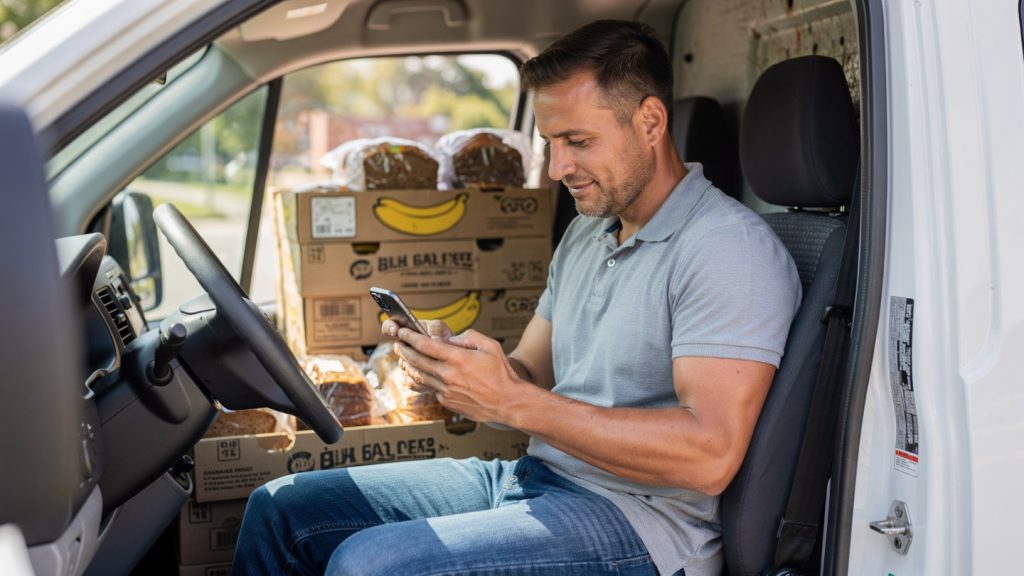
- Integrated Scanning Hardware: Professional handhelds use built-in laser scanners that work fast in low-light conditions.
- Extreme Durability: These devices carry IP68 ratings and pass military-grade drop tests for extreme environments.
- Hot-Swappable Batteries: Drivers can swap batteries without powering down the device to ensure zero downtime.
- Extended Lifecycles: Manufacturers guarantee support and parts for up to seven years per model.
- Physical Keypads: Tactile buttons provide reliability for drivers wearing gloves or working in wet weather.
The Rise of Mobile Logistics Applications
Mobile applications have transformed the driver’s seat into an office. Modern apps use agile frameworks for constant updates. This flexibility is a major advantage for the industry. Regulations and customer expectations change overnight. A mobile app updates via the cloud in seconds. Every driver runs the latest version without returning to a hub.
The Distributal app is a prime example of this evolution. It uses internal smartphone sensors for document scanning. High-resolution cameras and GPS provide a comprehensive tool suite. This software replaces expensive, heavy hardware. Drivers manage their entire workflow in one familiar interface. This reduces the learning curve for new hires. Drivers become productive almost immediately with this technology.
Software Versatility for Specialized Workflows
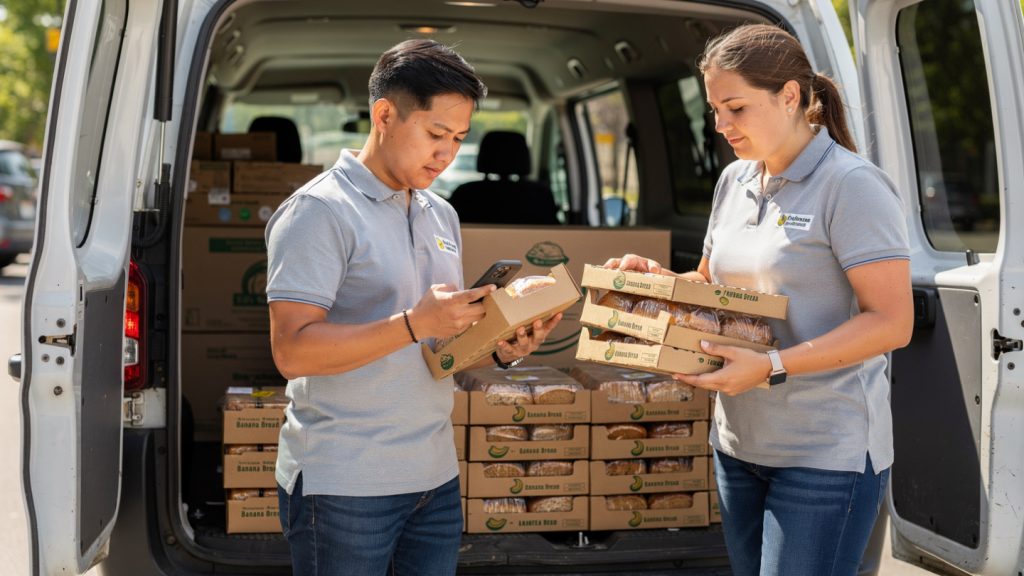
Standard handhelds often come with rigid, pre-installed software. This can make it difficult to adapt to specific delivery models. In contrast, mobile apps offer a high degree of customization. Modern fleets use these tools to handle everything from simple drop-offs to complex route accounting. This versatility allows businesses to pivot quickly as market demands change.
Efficient inventory control is a major part of this flexibility. Many operators now look for comprehensive guides on direct store delivery (DSD) inventory management to stay competitive. Using the right software ensures that stock levels remain accurate during every transaction. The Distributal app supports these complex needs by offering a streamlined interface for drivers. This approach turns a standard smartphone into a powerful logistics hub. It allows companies to manage inventory without the need for bulky, expensive equipment.
Total Cost of Ownership: A Comparison
Looking only at the upfront price is a common mistake. Handheld devices have high initial costs. One unit can cost between $800 and $2,000. However, these units last five years or more. Smartphones are cheaper at the start. They often need replacement every two years. Battery degradation and screen damage are common issues. A true analysis must include maintenance and licensing.
App-based approaches help companies scale without massive capital. Managed mobile solutions are often more cost-effective. Managers can add drivers without buying new proprietary hardware. If a phone breaks, the driver logs into the Distributal app on a new device. They continue their route without major delays. This redundancy is hard to achieve with legacy handhelds. Most legacy devices require specific docking stations to function.
Driver Experience and User Interface
User experience is where mobile apps truly shine. Consumer apps set high standards for easy navigation. Drivers find modern apps more intuitive than legacy systems. Clunky, text-heavy interfaces often lead to user frustration. Clear designs lead to higher data accuracy. Drivers make fewer errors when the interface is responsive.
Mobile apps integrate easily with other phone tools. Drivers can use Google Maps or Waze for navigation. Dedicated handhelds often rely on slower proprietary software. These legacy systems may not show real-time traffic updates. Apps like Distributal offer a “single pane of glass” experience. This keeps drivers focused on the road. They spend less time struggling with their equipment.
Durability and Reliability in the Field
Handheld devices are famous for their sheer toughness. They work well in cross-docking environments. These units survive frequent drops on hard concrete. A consumer smartphone might fail in these conditions. Handhelds use reinforced frames and specialized glass. They are built specifically for industrial use. Thermal management is also superior in dedicated devices.
The gap in durability is narrowing every year. High-end smartphones are now very water-resistant. Professional cases add extra protection for field use. These devices are resilient enough for last-mile delivery. Software reliability is also a key factor. The Distributal app ensures all data remains secure. Progress is saved in the cloud even if hardware fails.
Data Security and Device Management
- Remote Wipe Capabilities: Managers use MDM software to wipe data if a device is lost.
- Biometric Authentication: Apps use fingerprints or facial recognition to ensure only authorized access.
- App Sandboxing: Professional apps stay isolated from personal data to prevent malware infections.
- Cloud Syncing: Mobile apps sync data to the cloud in real-time for instant visibility.
- Geofencing Alerts: Systems trigger alerts when a device enters or leaves a specific boundary.
Future Trends in Driver Technology
Logistics technology is moving toward intelligent ecosystems. We are moving away from simple, “dumb” hardware. Augmented Reality (AR) is appearing in new mobile apps. This helps drivers find packages in a crowded van. They simply point the camera at the cargo. This functionality is easy to implement on smartphones.
5G networks will soon be the global standard. Faster speeds will eliminate delays for high-definition photos. Drivers can transmit proof of damage instantly. The Distributal app is designed to grow with these shifts. Users get the latest innovations without buying new hardware. The industry focus is shifting toward data efficiency. The device itself is becoming less important than the software.
References
- Zebra Technologies: What is a Mobile Device Really Going to Cost You? – This blog explores the hidden costs of downtime and IT support for mobile devices.
- Gartner Supply Chain Research: Unlock Strategic Value in Logistics – This research analyzes how digital transformation and mobile apps improve fleet agility.
Get Started with Distributal Today
Ready to streamline your field operations? Experience the speed of mobile-first invoicing and real-time inventory management yourself. The Distributal app is now available for download on all major platforms
