
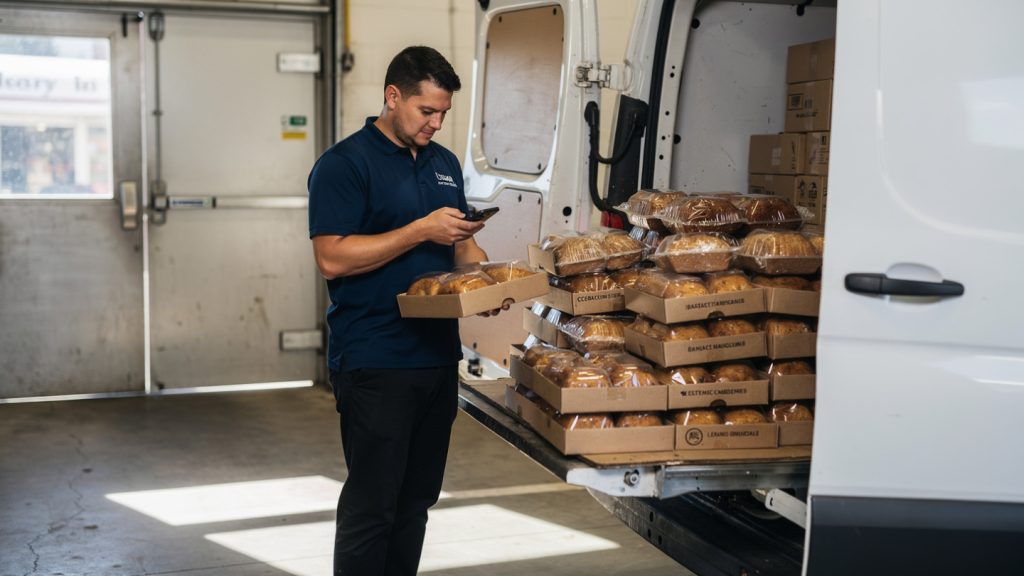
Real-time delivery tracking has become one of the most important features for modern logistics, e-commerce, field service, and last-mile delivery operations. Customers no longer want to wait without knowing where their order is, when it will arrive, or whether there is a delay. At the same time, businesses need better visibility over drivers, routes, delivery status, failed attempts, and customer communication.
In simple terms, real-time delivery tracking allows a business, dispatcher, driver, and customer to see the live progress of a delivery from pickup to drop-off. Instead of relying on phone calls, manual messages, or end-of-day reports, delivery teams can track movement, update delivery status, and respond faster when something changes.
This is especially useful for companies that manage many orders, multiple drivers, or time-sensitive deliveries. A good tracking system can show the driver’s current location, estimated arrival time, delivery completion status, proof of delivery, and delay alerts. For customers, it creates confidence. For businesses, it improves control.
Apps like Distributal are built around this kind of operational visibility. By helping businesses manage delivery jobs, track progress, and coordinate drivers more clearly, Distributal makes real-time delivery tracking easier for teams that want to reduce confusion and improve delivery performance.
What Is Real-Time Delivery Tracking?
Real-time delivery tracking is the process of monitoring a delivery as it moves from one stage to another. It usually uses GPS location, mobile app updates, route data, and delivery status changes to give businesses a live view of what is happening in the field.
For example, when a driver accepts a delivery job, the system can record that the order is assigned. When the driver reaches the pickup location, the status can change to picked up. As the driver travels toward the customer or store location, the system can update the delivery progress and estimated arrival time. Once the delivery is completed, the driver can mark the job as finished and upload proof of delivery.
This process replaces guesswork with clear information. Instead of asking, “Where is the driver?” or “Has the order arrived yet?” the business can check the delivery status directly in the system.
Real-time delivery tracking is also important for direct store delivery inventory management because store replenishment, route updates, and delivery completion all depend on accurate field visibility. When delivery data is updated in real time, teams can better understand when goods are moving, when they arrive, and how each delivery affects store operations.
Why Real-Time Delivery Tracking Matters for Businesses
Real-time delivery tracking matters because delivery is often the final point of contact between a business and its customer. Even if the product is good and the order process is smooth, a poor delivery experience can damage trust.
Customers want to know when their delivery will arrive. If they cannot see updates, they may contact support repeatedly. This increases pressure on customer service teams and creates unnecessary manual work. With tracking, customers can check the status themselves and feel more informed.
For businesses, real-time delivery tracking also improves decision-making. Managers can see which deliveries are on schedule, which drivers are delayed, and which jobs need attention. This makes it easier to fix problems before they become serious.
Delivery tracking also helps reduce failed deliveries. If a customer knows when the driver is nearby, they are more likely to be available to receive the package. If a delay happens, the business can send an update instead of leaving the customer confused.
Another important benefit is accountability. When every delivery has a clear timeline, location history, and completion record, it becomes easier to investigate issues. If a package is late, missing, or disputed, the business has data to review.
For growing delivery operations, this visibility is essential. Manual tracking may work for a few orders, but it quickly becomes difficult when the business has many drivers, routes, and customers. Real-time delivery tracking gives teams the structure they need to scale.
Key Features Needed for Real-Time Delivery Tracking
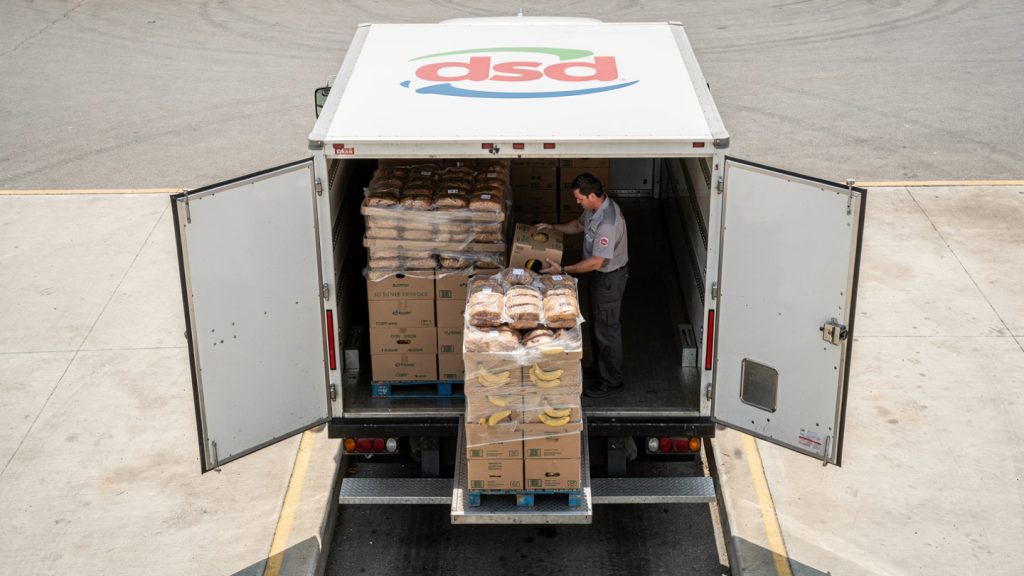
A good real-time delivery tracking system should do more than show a driver’s location. It should support the full delivery process from assignment to completion.
Important features include:
- Live GPS tracking: Shows the current location of the driver or delivery vehicle.
- Delivery status updates: Tracks each stage, such as assigned, picked up, out for delivery, arrived, and completed.
- Estimated arrival time: Helps customers and dispatchers understand when the delivery is likely to arrive.
- Driver app: Allows drivers to accept jobs, update status, upload photos, and communicate with the team.
- Customer notifications: Sends updates by app, SMS, email, or other channels.
- Proof of delivery: Records signatures, photos, notes, timestamps, or location confirmation.
- Route visibility: Helps dispatchers understand the route and identify delays.
- Admin dashboard: Gives managers a central view of active deliveries and completed jobs.
- Exception alerts: Highlights delays, failed attempts, cancellations, or delivery problems.
Distributal can fit naturally into this workflow by helping businesses manage delivery tasks, monitor progress, and keep teams aligned. Instead of handling updates across phone calls, chat messages, and spreadsheets, businesses can use one system to organize delivery activity more clearly.
How Real-Time Delivery Tracking Works Step by Step
Real-time delivery tracking usually begins when a delivery job is created in the system. This job may include customer details, pickup location, drop-off location, delivery notes, item details, and preferred delivery time.
Once the job is created, it can be assigned to a driver. The driver receives the job through a mobile app or driver interface. After accepting the job, the driver can begin the delivery process. At this point, the system starts collecting useful delivery information.
When the driver arrives at the pickup point, the status can be updated. This tells the business that the driver has reached the first location. After collecting the package, the driver marks it as picked up. The system can then show that the delivery is moving toward the customer.
During the journey, GPS tracking helps show the driver’s current position. The dispatcher can monitor the route and identify delays. If traffic, weather, wrong addresses, or customer availability issues affect the delivery, the team can respond quickly.
When the driver reaches the destination, the delivery status changes again. The driver may take a photo, collect a signature, add a note, or mark the job as completed. This creates a record that the delivery was finished.
The final data is then stored for reporting, customer service, and performance analysis. Businesses can review delivery time, driver performance, failed attempts, and completed orders. Over time, this data helps improve the delivery process.
Benefits of Real-Time Delivery Tracking for Customers
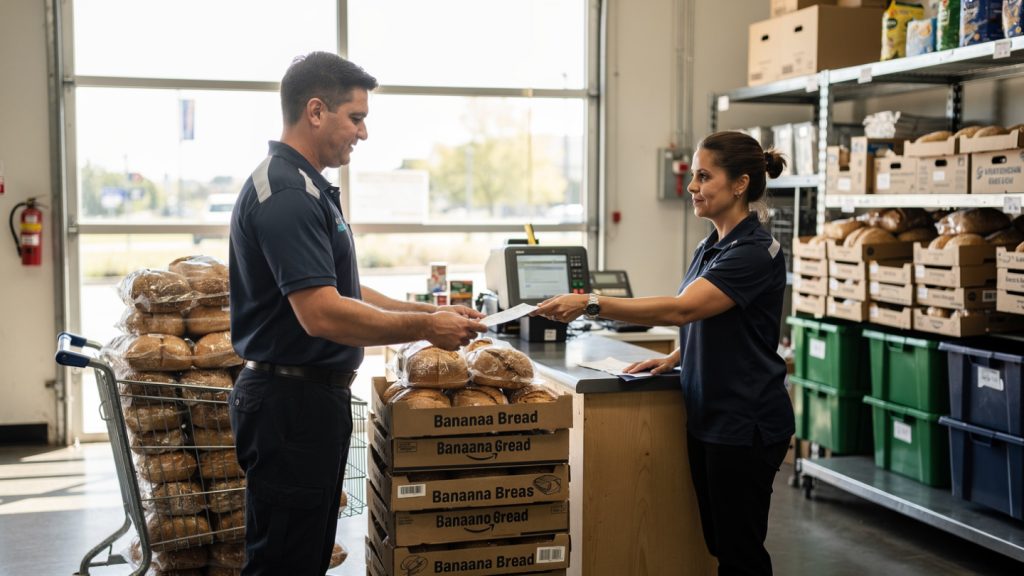
For customers, real-time delivery tracking creates peace of mind. Waiting for a delivery without updates can be frustrating, especially when the delivery is urgent or important. Tracking gives customers more control over their time.
When customers can see the delivery status, they do not need to guess whether the package has left the warehouse or whether the driver is nearby. Clear updates reduce anxiety and make the delivery experience feel more professional.
Real-time tracking also helps customers plan. If they know the estimated arrival time, they can make sure someone is available to receive the order. This is useful for food delivery, retail delivery, documents, medical supplies, furniture, and other scheduled services.
Another benefit is trust. A business that provides real-time delivery tracking appears more transparent and reliable. Customers are more likely to feel that the company is organized and serious about service quality.
Tracking also reduces the need for repeated support messages. Instead of asking customer service for updates, customers can check the tracking page or notification. This saves time for both the customer and the business.
A better customer experience can lead to repeat orders, better reviews, and stronger brand loyalty. In delivery-based businesses, convenience and communication often matter just as much as speed.
Benefits of Real-Time Delivery Tracking for Operations Teams
Operations teams benefit from real-time delivery tracking because it gives them a live view of the delivery process. Without tracking, managers often rely on phone calls, driver messages, or manual reports. This can be slow and inaccurate.
With tracking, dispatchers can see which drivers are active, which deliveries are delayed, and which jobs have been completed. This makes it easier to manage the day’s workload and respond to issues.
Real-time delivery tracking also improves route control. If a driver is stuck in traffic or takes a wrong route, the dispatcher can notice and take action. If a customer changes the address or delivery time, the team can update the driver faster.
For businesses with multiple drivers, tracking helps balance workload. Managers can see who is available, who is nearby, and who may be overloaded. This supports better assignment decisions.
Tracking also improves reporting. Instead of relying on memory or handwritten notes, the business can review delivery timestamps, status changes, and proof of delivery. This makes performance analysis more accurate.
Distributal can support this type of workflow by giving teams a better way to organize delivery jobs and monitor movement. For businesses that want to grow, this kind of visibility can reduce mistakes and improve daily operations.
Common Problems Real-Time Delivery Tracking Can Solve
Many delivery problems happen because teams do not have enough visibility. Real-time delivery tracking helps reduce these issues by making delivery information easier to access and act on.
Common problems it can solve include:
- Too many customer calls: Customers can check delivery status instead of contacting support.
- Unclear driver location: Dispatchers can see where drivers are during active jobs.
- Late deliveries: Teams can identify delays earlier and update customers faster.
- Failed delivery attempts: Customers can prepare when they know the estimated arrival time.
- Driver communication gaps: Status updates reduce the need for constant manual messages.
- No proof of delivery: Photos, notes, signatures, and timestamps help confirm completion.
- Poor route visibility: Managers can understand delivery movement and route performance.
- Difficult performance tracking: Delivery records make it easier to review completed jobs and driver activity.
These problems may seem small at first, but they can become expensive as order volume increases. Real-time delivery tracking gives businesses a more reliable way to manage daily delivery work.
How Distributal Supports Smarter Delivery Tracking
Distributal is designed for businesses that need a clearer way to manage delivery and transport jobs. Instead of relying only on manual coordination, businesses can use Distributal to create delivery tasks, assign work, and track progress more effectively.
For delivery teams, this creates a more organized workflow. Drivers know what they need to do. Managers can see what is happening. Customers can receive better updates. This reduces confusion across the delivery process.
Distributal is especially useful for companies that manage regular deliveries, field jobs, local logistics, or transport tasks between locations. When every job has a clear status and responsible driver, it becomes easier to control operations.
The value of Distributal is not only in tracking movement. It also helps create a structured delivery process. A good tracking system should show where the delivery is, but it should also help teams understand what needs to happen next.
By using Distributal for real-time delivery tracking, businesses can improve communication, reduce manual follow-ups, and build a more professional delivery experience. This is important for both small teams and growing operations.
Best Practices for Using Real-Time Delivery Tracking
Real-time delivery tracking works best when the business uses it as part of a complete delivery management process. Technology is helpful, but the workflow must also be clear.
The first best practice is to define delivery statuses properly. Every team member should understand what each status means. For example, “assigned,” “picked up,” “out for delivery,” and “completed” should be used consistently.
The second best practice is to train drivers. Drivers should know when to update status, how to use the app, how to upload proof of delivery, and how to report problems. If drivers do not update the system correctly, tracking data becomes less useful.
The third best practice is to keep customer messages clear. Customers do not need too much technical information. They need simple updates such as order received, driver assigned, out for delivery, arriving soon, and delivered.
The fourth best practice is to monitor exceptions. Late deliveries, failed attempts, missing proof, and route delays should be reviewed regularly. This helps the business improve over time.
The fifth best practice is to use delivery data for planning. Tracking data can show which routes take longer, which areas have more failed deliveries, and which drivers may need support. This turns real-time tracking into a long-term improvement tool.
When paired with a system like Distributal, these best practices help businesses move from reactive delivery management to proactive delivery control.
Conclusion
Real-time delivery tracking is no longer just a nice feature. It has become a core part of modern delivery management. Customers expect clear updates, businesses need better visibility, and operations teams need faster ways to respond when something changes.
By using real-time delivery tracking, companies can monitor drivers, update customers, reduce failed deliveries, improve proof of delivery, and make better operational decisions. It creates a smoother experience for everyone involved in the delivery process.
For businesses that want a more organized way to manage deliveries, Distributal can help bring delivery jobs, driver activity, and tracking visibility into one clearer workflow. Whether the goal is better customer communication, fewer manual calls, or stronger delivery control, real-time tracking is a practical step forward.
A delivery is not complete only when the package arrives. It is complete when the customer feels informed, the business has proof, and the team knows the job was handled properly. That is the real value of real-time delivery tracking.
References
- McKinsey & Company discusses how real-time tracking and route planning can improve delivery convenience and help customers better understand arrival timing.
- Deloitte highlights the value of real-time transportation dashboards for monitoring operations, route performance, projections, and disruption alerts.
