
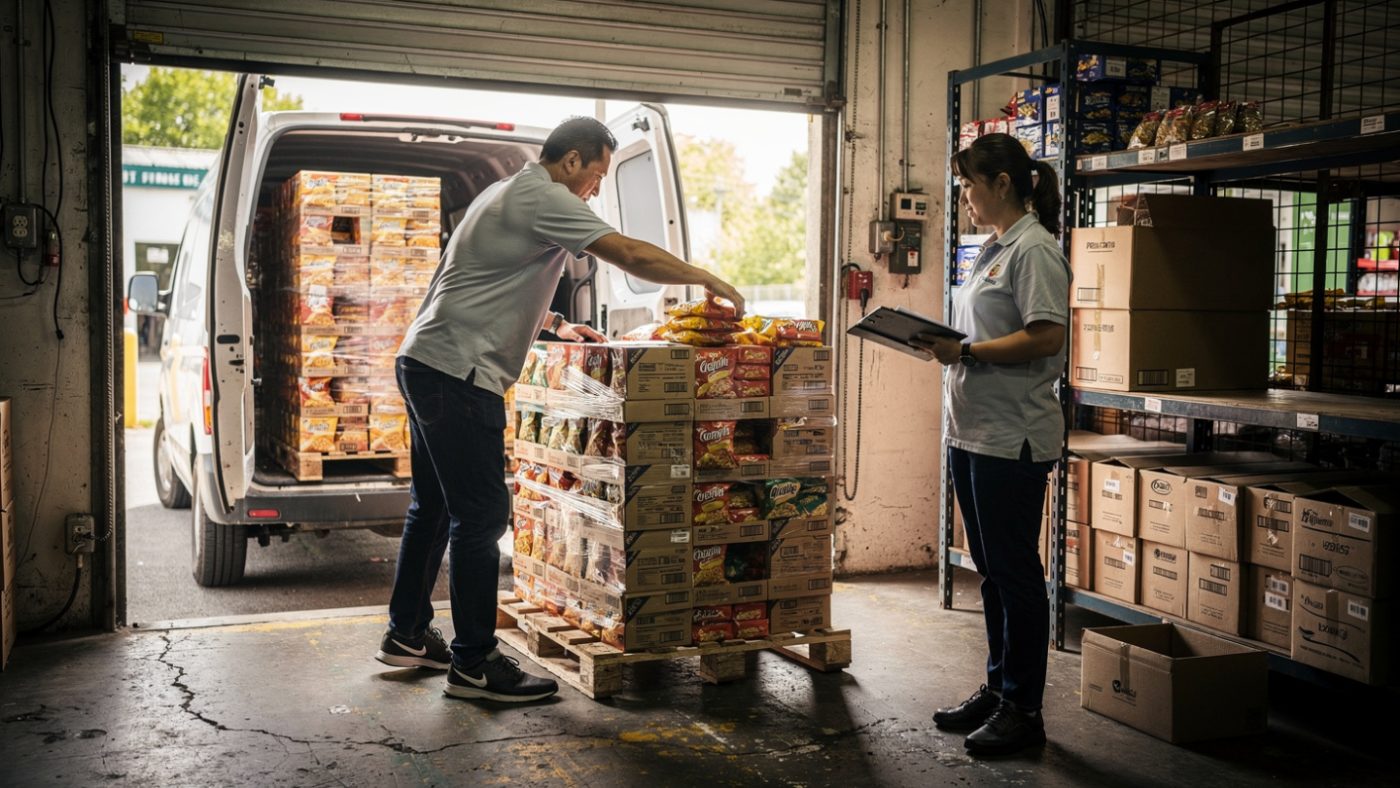
Food distribution plays a major role in every food business. Even when suppliers, farms, manufacturers, restaurants, retailers, and food programs have enough products, weak distribution can still create delays, waste, high costs, and unhappy customers. That is why every growing operation should understand common food distribution challenges and know how to fix them.
These problems can appear in many ways. Some teams struggle with late deliveries. Others lose products because staff do not control temperature properly. Many businesses cannot track drivers clearly, while others keep too much stock in one location and too little in another. At first, these issues may look small. Over time, they can damage profit, food safety, customer trust, and daily operations.
Modern food logistics needs more than fast delivery. Teams must move food to the right place, at the right time, in the right condition, with clear proof that the delivery happened. This matters even more for fresh food, frozen products, prepared meals, wholesale supply, food donations, and last-mile delivery. When teams do not organize the process well, every delay can create more waste and more pressure.
Most food distribution challenges improve when businesses use better planning, clearer communication, stronger tracking, and the right digital tools. Apps like Distributal help teams manage delivery jobs, assign drivers, track transport status, and reduce confusion between suppliers, drivers, and receivers. Technology does not replace good operations, but it gives teams the visibility they need to make better decisions.
What Are Food Distribution Challenges?
Food distribution challenges are the problems that happen when teams transport, store, assign, deliver, or receive food. These challenges can appear between farms and factories, factories and warehouses, warehouses and shops, restaurants and customers, or donors and communities. Any step where food moves from one place to another can create risk.
Many people think food distribution only means delivery. In reality, food distribution also includes route planning, stock management, product quality checks, driver assignment, temperature control, proof of delivery, and failed delivery handling. When one part of this process breaks, the whole operation can suffer.
For example, a supplier may prepare the correct order. However, if the driver receives the wrong address or arrives late, the customer may reject the delivery. A warehouse may have enough stock, but if the team does not know which items expire first, older products may go to waste. A restaurant may need urgent ingredients, but without a clear transport system, the supplier may not know which driver can take the job.
These problems affect more than daily operations. They also affect business reputation. Customers expect fresh, safe, and on-time delivery. If a company delivers late or sends damaged products too often, customers may choose another supplier. In food distribution, trust depends on consistency.
Why Food Distribution Problems Matter
Food distribution problems matter because food has a limited life. Unlike many other products, food can expire, spoil, melt, break, or become unsafe when teams do not handle it properly. A late clothing delivery may only annoy a customer, but a late delivery of seafood, dairy, frozen food, or ready-to-eat meals can create serious financial and safety risks.
Food loss also creates a global problem. The FAO explains that food loss and waste happen across different parts of the supply chain. This includes production, storage, transport, retail, food service, and household use. Better distribution, storage, and handling can help reduce this problem.
For businesses, food distribution challenges increase costs in several ways. Poor routes waste fuel. Manual follow-ups waste staff time. Spoiled food increases replacement costs. Customer complaints also create more work for support teams. When these costs repeat every day, they can reduce profit quickly.
For communities, poor food distribution can reduce access to food. Some areas may receive too much supply, while others receive too little. This matters for food banks, school meal programs, emergency food support, and community distribution networks. Strong planning helps organizations move food where people need it most.
Common Food Distribution Challenges
The most common food distribution challenges often come from poor visibility, weak coordination, and manual processes. A company may have good products and experienced staff, but if the operation depends too much on phone calls, spreadsheets, and memory, mistakes can happen easily.
- Late deliveries: Drivers may face traffic, unclear addresses, poor route planning, or last-minute schedule changes.
- Poor temperature control: Fresh, chilled, and frozen food can lose quality when teams do not monitor temperature correctly.
- Lack of real-time tracking: Managers may not know where drivers are, which deliveries have finished, or which jobs need attention.
- Inventory mismatch: Stock records may not match real stock, which can lead to over-ordering, under-ordering, or expired products.
- Manual communication: Teams may rely on calls, chat messages, or paper notes, which can create missing information and confusion.
- Failed deliveries: Customers may not be available, addresses may contain mistakes, or drivers may not collect proof of delivery.
- High delivery costs: Poor route planning, inefficient job assignment, and empty return trips can increase fuel and labor costs.
These problems often become worse as the business grows. A small team may manage delivery manually when it has only a few orders per day. Once order volume increases, manual work becomes harder to control. The team may spend more time fixing mistakes than improving the operation.
A tool like Distributal can help teams organize transport jobs in one place. Instead of managing deliveries through scattered messages, teams can assign jobs, track progress, and keep everyone aligned. For food distribution, this structure reduces stress and helps managers respond faster when problems happen.
Challenge 1: Poor Route Planning and Delivery Delays

Poor route planning creates one of the biggest food distribution challenges because it affects freshness, cost, and customer satisfaction. If drivers take inefficient routes, visit locations in the wrong order, or receive unclear instructions, food may arrive late or lose quality.
Delivery delays can happen for many reasons. Traffic, weather, loading delays, road closures, and customer availability can all affect the schedule. However, many delays come from weak planning. When dispatchers plan routes manually, they may miss delivery windows, driver capacity, product type, or distance between stops.
A better approach starts with clear route planning. Teams should group deliveries by location, delivery time, and product sensitivity. Fresh and frozen items need special attention. Urgent customers should have clear priority. Drivers should receive accurate addresses, contact details, and special instructions before they leave.
Managers also need live visibility during the delivery process. If a driver gets delayed, the team should know early. This gives the business time to update the customer, assign another driver, or adjust the route. Without this visibility, teams often discover problems too late.
Distributal can support this process by helping teams manage delivery jobs and driver assignments more clearly. When everyone can see job details and status updates, the business can reduce unnecessary calls and make faster decisions.
Challenge 2: Food Waste and Product Spoilage
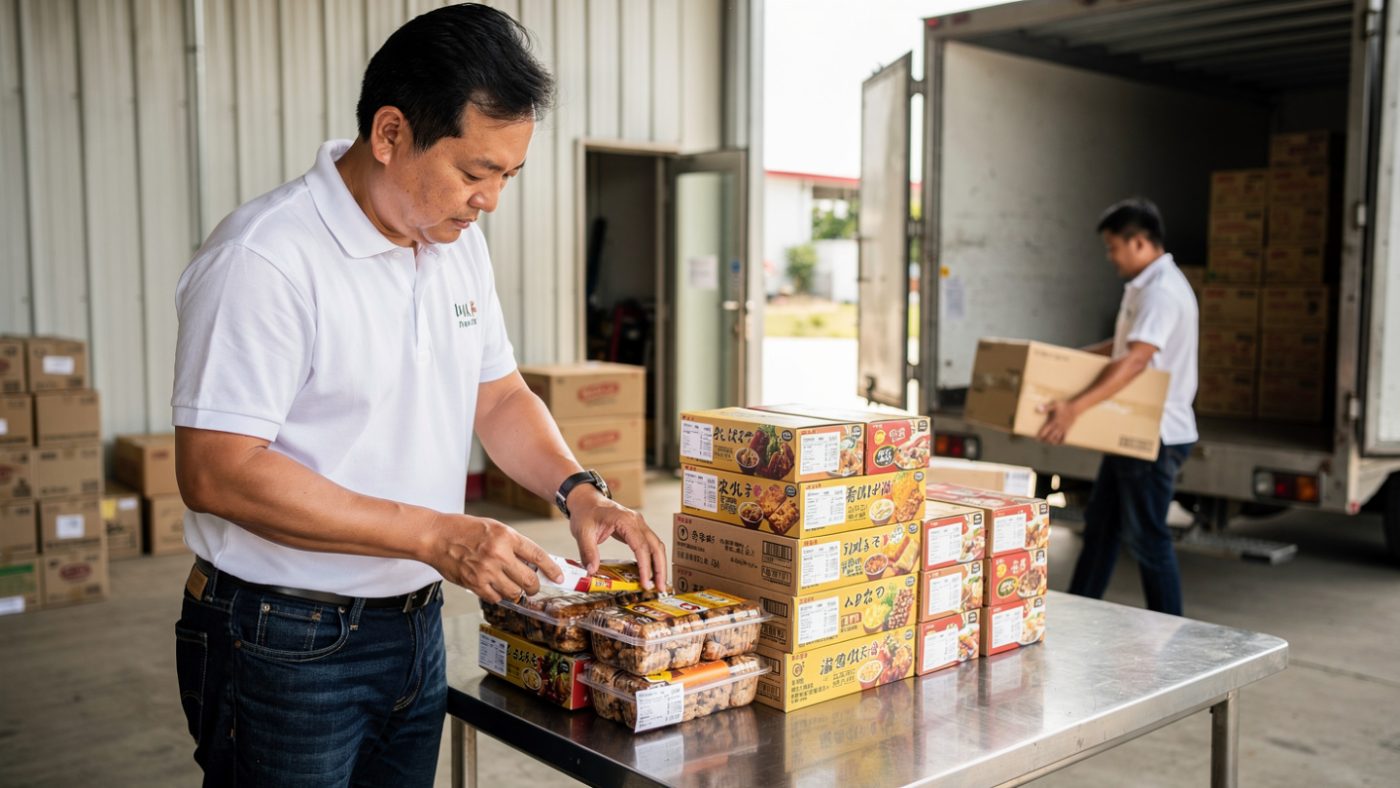
Food waste creates one of the most expensive food distribution challenges. Products can go to waste when teams store them too long, deliver them late, handle them badly, or send them to the wrong location. For perishable food, even a small delay can reduce shelf life.
Spoilage often happens when teams cannot see product age, stock movement, or delivery status clearly. For example, if staff do not move older stock first, it may expire in storage. If a delivery runs late and no one notices early, chilled products may lose quality. If a customer rejects an order because it arrives too late, the supplier may not be able to sell it again.
Businesses can reduce waste by using a first-expired, first-out process. Teams should send older products before newer ones and check expiry dates before dispatch. Warehouse staff should also inspect packaging, temperature, and product condition before loading goods onto vehicles.
Clear records also help. If a delivery fails, the team should record the reason. If a customer returns a product, the business should know whether it can go back into stock, move to another buyer, become a donation, or leave the supply chain. Better records help managers find repeated problems and fix them.
Challenge 3: Lack of Visibility Across the Supply Chain
Lack of visibility causes many food distribution problems. Managers may not know where stock is, which driver has which order, whether a delivery has finished, or why a customer has not received the goods. Without clear visibility, teams react to problems instead of preventing them.
This issue creates pressure across the whole company. Sales teams cannot answer customer questions. Warehouse teams do not know whether products have left. Drivers may not receive updated instructions. Managers may need to call several people just to understand one delivery issue. This wastes time and increases frustration.
A stronger food distribution system should show the movement of goods from order assignment to delivery completion. The team should know which jobs still need action, which jobs are in progress, which jobs have delays, and which jobs have proof of delivery. This level of visibility helps everyone work with the same information.
Distributal fits naturally into this process because it helps teams manage transport jobs and track progress. Instead of guessing where a delivery stands, managers can check the job status. This reduces blind spots and helps teams make faster decisions.
Challenge 4: Communication Gaps Between Teams
Communication gaps turn small issues into serious food distribution challenges. Food distribution usually involves suppliers, warehouse teams, dispatchers, drivers, customers, and sometimes third-party logistics providers. When each person uses a different channel, important details can disappear.
For example, a customer may change the delivery time, but the driver may not receive the update. A warehouse team may load a replacement product, but the sales team may not know. A driver may report a failed delivery in a chat group, but the message may get buried under other conversations. These small gaps can create delays, rejected orders, and customer complaints.
Teams can fix this by centralizing important delivery information. Critical updates should not live only in personal chats or phone calls. Delivery instructions, customer notes, status updates, and proof of delivery should connect directly to the delivery job. This makes the situation easier to understand.
Clear communication also reduces blame. When everyone can see the same information, teams can focus on solving the issue instead of arguing about what happened. A structured process helps people work together with less confusion.
Challenge 5: Inventory and Demand Mismatch
Inventory mismatch creates another serious food distribution problem. If a business does not know what stock it has, where it sits, or how fast it moves, the team may send the wrong products, overstock slow-moving items, or run out of high-demand items.
Demand changes quickly in food businesses. Restaurants may need more ingredients during weekends. Retailers may sell more during holidays. Hot weather can increase demand for drinks and frozen products. Rainy days may affect restaurant orders or last-mile delivery volume. When distribution planning does not match demand, the business may lose sales or create waste.
A better process connects distribution planning with real demand patterns. Teams should review order history, seasonal trends, customer behavior, and stock movement. Instead of sending products evenly to every location, businesses should send supply where demand actually exists.
Inventory accuracy also depends on good receiving and dispatch records. When goods leave a warehouse, the team should update the stock record. When goods arrive at the destination, the receiving team should confirm the delivery. This simple discipline helps the business make better purchasing and distribution decisions.
How to Fix Food Distribution Challenges
The best way to fix food distribution challenges is to improve the process step by step. A company does not need to change everything at once. It should first identify where the biggest problems happen, then apply practical fixes that improve visibility, accountability, and speed.
- Map the full distribution flow: Write down every step from order creation to final delivery. This helps teams see where delays and mistakes happen.
- Set clear delivery rules: Define delivery windows, handling requirements, temperature needs, and customer confirmation steps.
- Use digital job management: Replace scattered manual tracking with a system that shows job status, driver assignment, and delivery progress.
- Improve proof of delivery: Use photos, signatures, timestamps, or confirmation notes to reduce disputes and missing information.
- Track common failure reasons: Record why deliveries fail, such as wrong addresses, unavailable customers, late dispatch, or damaged goods.
- Review performance regularly: Check delivery time, failed delivery rate, waste rate, driver workload, and customer complaints.
- Use apps like Distributal: A dedicated app can help organize food transport jobs, reduce manual coordination, and improve team visibility.
The key is to treat food distribution as a system, not just a delivery task. When the system feels clear, the team can work faster and make fewer mistakes. When the system feels messy, even experienced staff may struggle to keep up.
Technology works best when it supports real operations. Distributal helps teams move away from scattered coordination and toward a more organized workflow. For growing food businesses, this can create the difference between daily firefighting and predictable operations.
The Role of Technology in Modern Food Distribution
Technology helps solve food distribution challenges because it improves speed, visibility, and accountability. In the past, many food businesses managed deliveries through paper forms, phone calls, spreadsheets, and messaging apps. These methods may work for a small operation, but they can create risk when order volume grows.
A digital distribution system keeps important information in one place. Managers can see delivery status. Drivers can receive clearer job details. Customers can get more accurate updates. Warehouse teams can prepare goods based on confirmed delivery plans. This reduces repeated questions and helps the whole team work better.
Technology also gives managers useful data. Over time, teams can see which routes often face delays, which customers often miss deliveries, which products often get damaged, and which locations need better planning. This information helps managers make decisions based on real evidence instead of guesswork.
Distributal can help food businesses that need a practical way to manage transport jobs. Many teams do not need a complicated enterprise system at the beginning. They need a simple and reliable way to assign jobs, track progress, and keep everyone aligned. A tool that supports daily work can create value quickly.
Building a More Reliable Food Distribution Process
A reliable food distribution process should feel simple, visible, and repeatable. The goal is not to make the operation complicated. The goal is to make sure every person knows what to do, when to do it, and how to confirm the job correctly.
The first step is standardization. Delivery notes, driver instructions, loading checks, receiving confirmation, and failed delivery reports should follow a consistent format. When every team member uses a different method, the business becomes harder to control. Standardization makes training easier and reduces mistakes.
The second step is accountability. Each delivery should have a clear owner, status, and next action. If a job runs late, the team should know who handles it and what needs to happen next. Accountability does not mean blaming people. It means making the process clear enough for the team to solve problems quickly.
Continuous improvement also matters. Food distribution challenges will not disappear completely because traffic, demand, weather, and customer behavior can change at any time. However, a business can improve how it responds. By reviewing data and feedback regularly, teams can find patterns and improve the process over time.
A strong distribution process protects food quality, reduces waste, lowers cost, and improves customer trust. It also makes work easier for the people inside the operation. When the process is clear, the team spends less time chasing information and more time delivering good service.
Final Thoughts on Food Distribution Challenges
Food distribution challenges are common, but businesses can fix many of them with better planning, clearer communication, stronger tracking, and better accountability. Most problems come from unclear processes, weak visibility, and manual coordination. Once teams understand these root causes, they can improve delivery performance and reduce waste.
The most important lesson is simple: food distribution works best as a connected system. Ordering, storage, dispatch, transport, delivery, and confirmation all affect one another. If one step lacks clarity, the entire process becomes weaker.
For food businesses, distributors, suppliers, community food programs, and delivery teams, the right tools can make daily work much easier. Distributal helps teams organize transport jobs, improve visibility, and reduce the confusion that often comes with manual coordination. This helps businesses grow without losing control.
By improving planning, tracking, communication, and accountability, teams can solve many food distribution challenges and build a more reliable supply chain. The result is fresher food, lower waste, better customer experience, and a stronger operation from start to finish.
References:
- Food and Agriculture Organization of the United Nations (FAO): FAO explains how food loss and waste happen across the supply chain, including storage, transport, and handling.
- World Food Programme (WFP): WFP highlights the importance of planning, procurement, transport, storage, and delivery in food supply chains.
